It’s no secret that Italy’s battling with overtourism. During the May 2025 long weekend, about 75 000 people descended on the lakeside town of Sirmione, which has a permanent population of only 8 000. Similarly, the historic centre of Venice is home to fewer than 50 000 residents, yet attracts 30 million visitors a year.
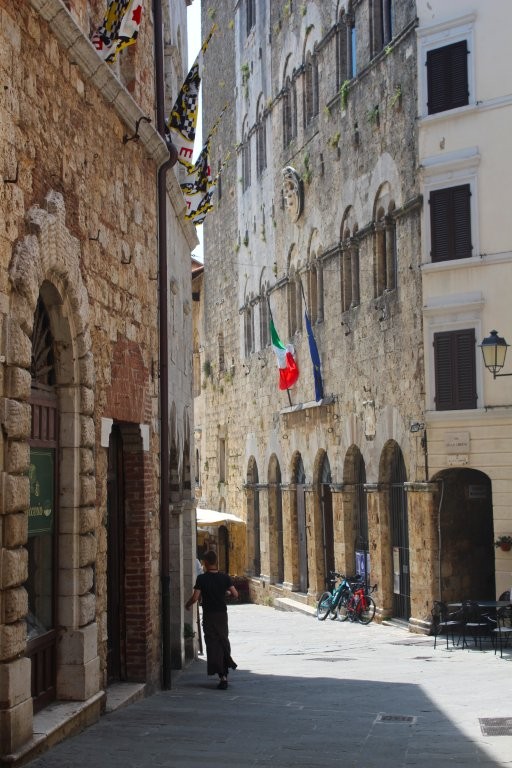
This overcrowding isn’t only lousy for the locals, but also for visitors who may have saved for years to fulfil their dreams of strolling through ochre-hued hill towns steeped in art and culture. Instead, they find themselves trapped among crowds which clog the picturesque alleyways.
Is it possible to enjoy an authentic Italian visit, where you steep yourself in history and beauty, without queueing for hours? Yes it is, I discovered on a recent trip to the relatively little-known area of southern Tuscany and neighbouring northern Lazio, known as the Maremma.
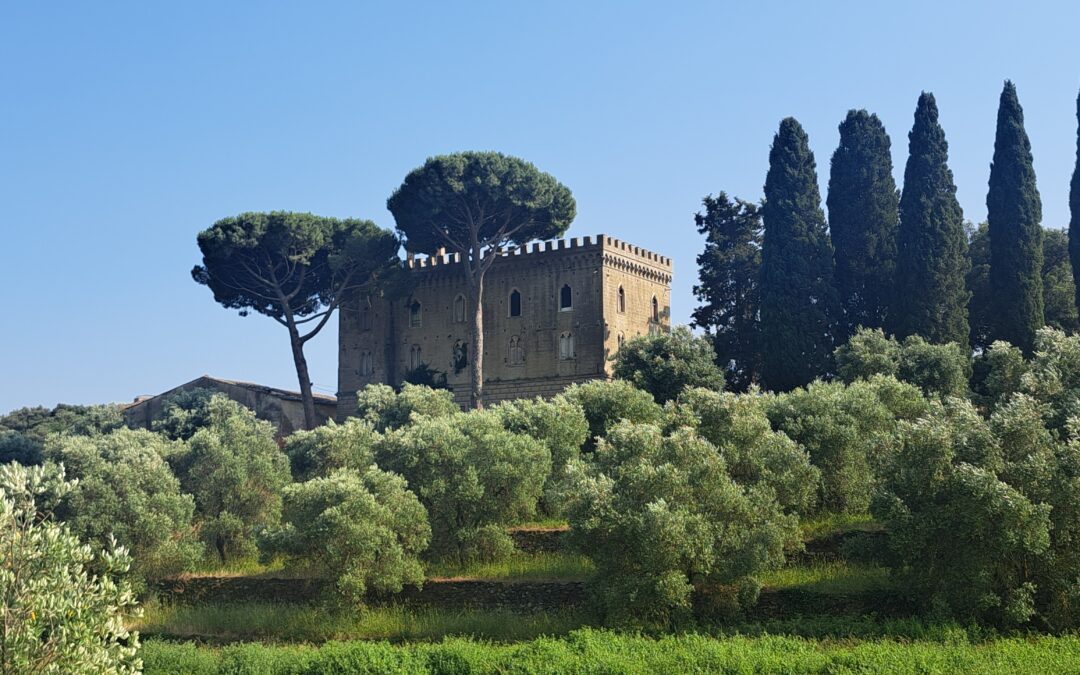
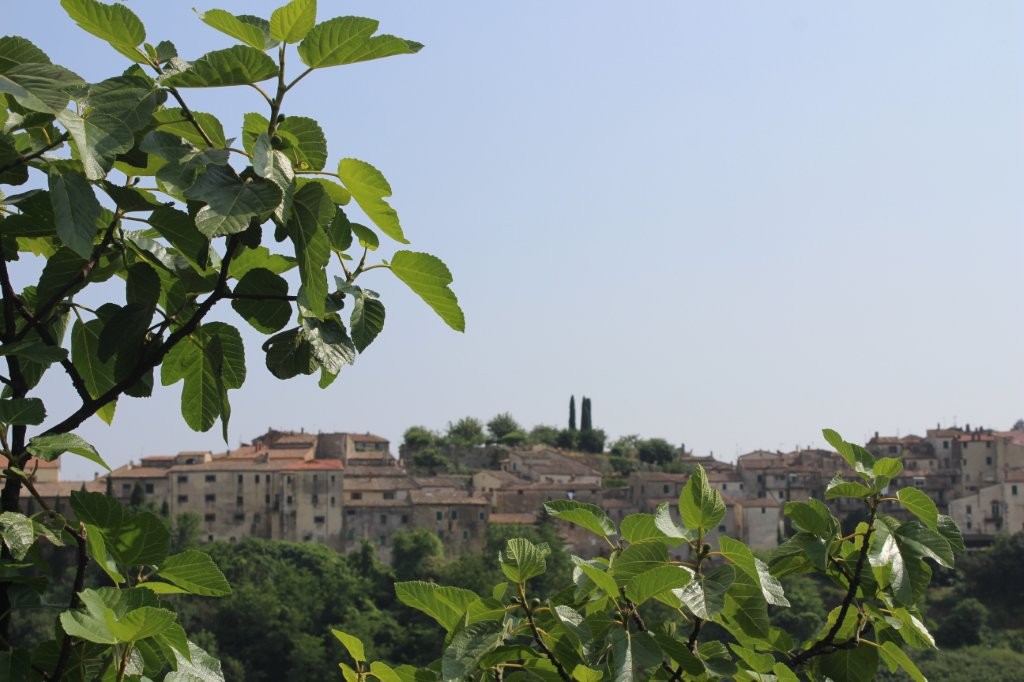
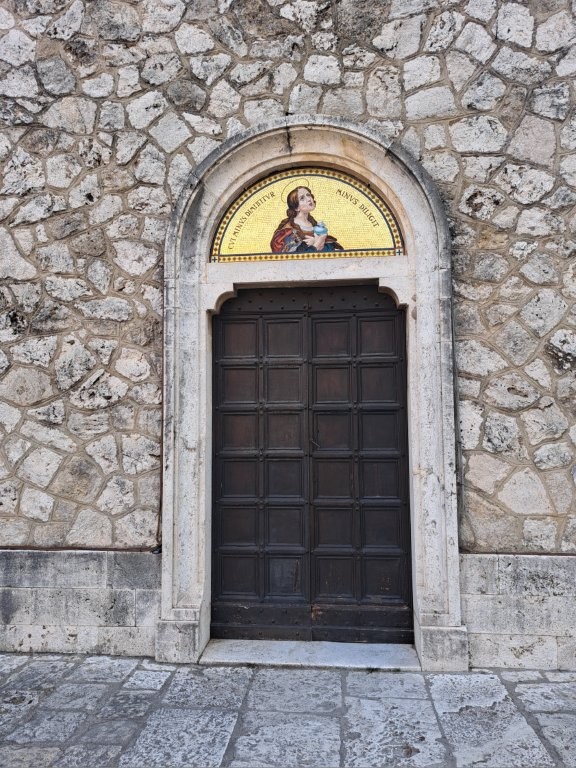
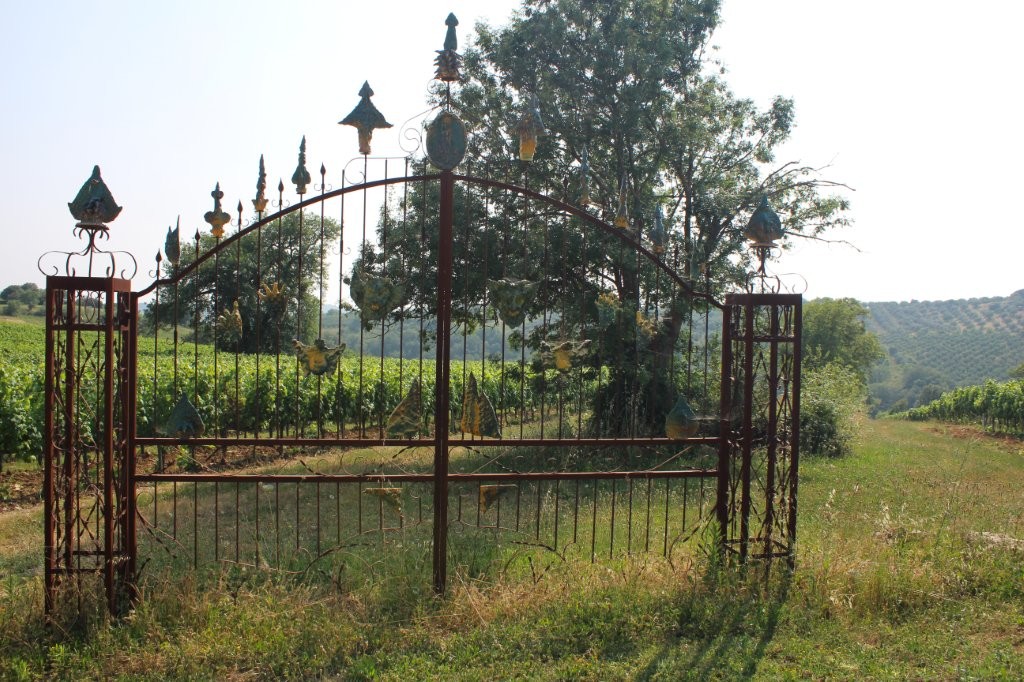
Here – off the beaten track – you can experience classic scenery of cypress trees and stone pines, silvery olive groves and neatly ordered vineyards, tranquil chapels decorated with elaborate mosaics, sculptures and marble, and end the day sunning on a beach before enjoying a delicious aperitivo or gelato.
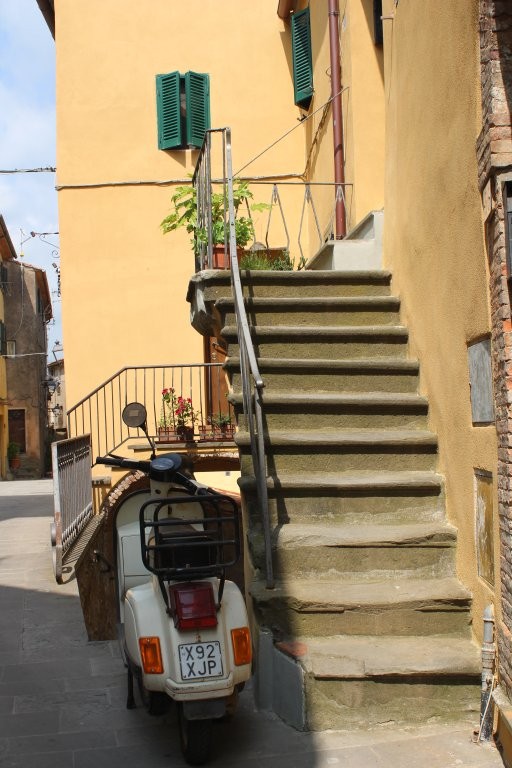
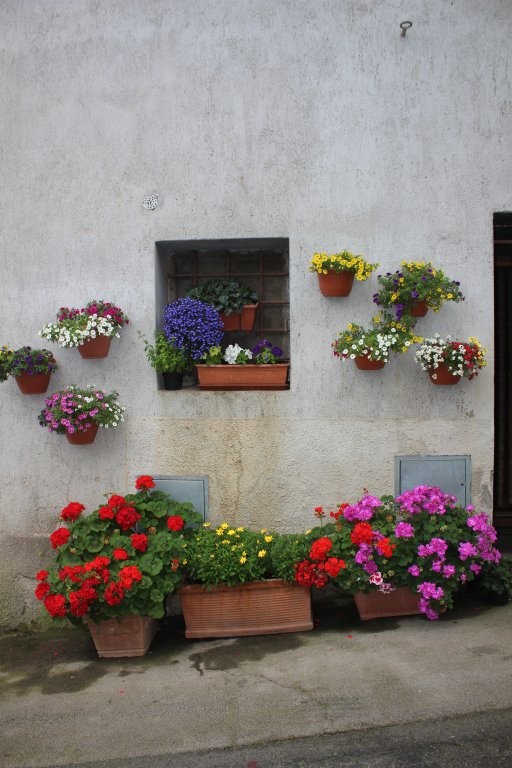
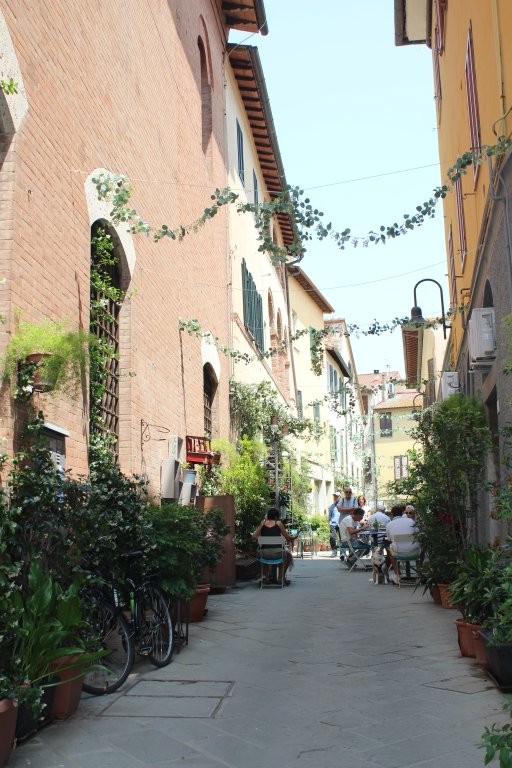
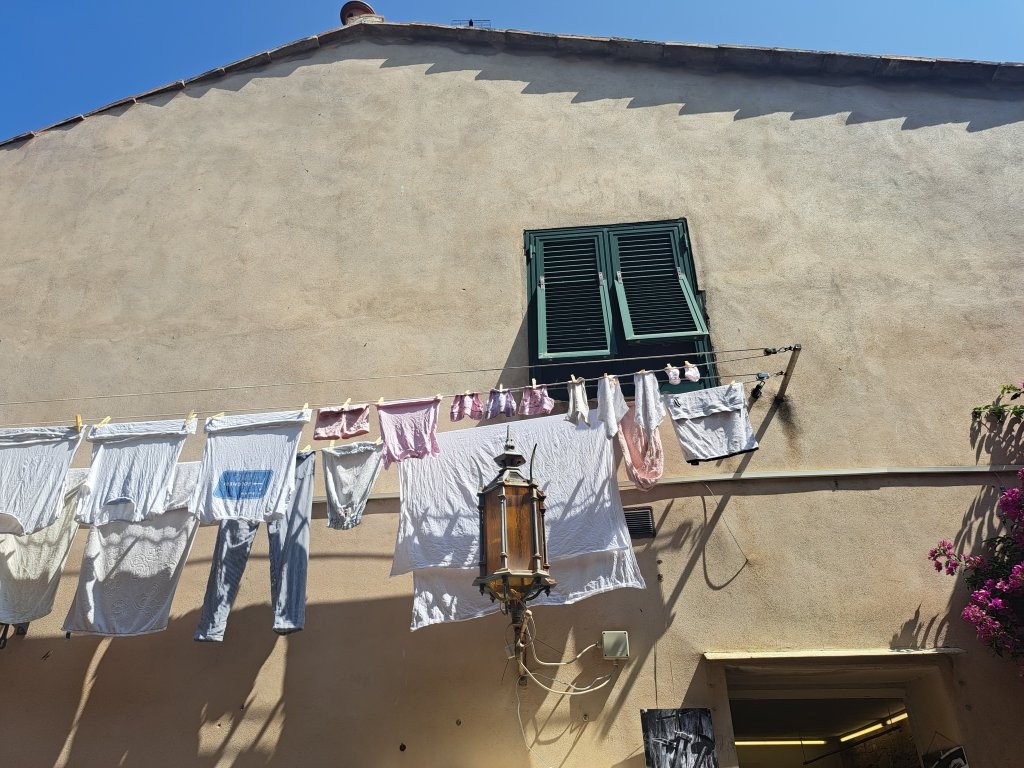
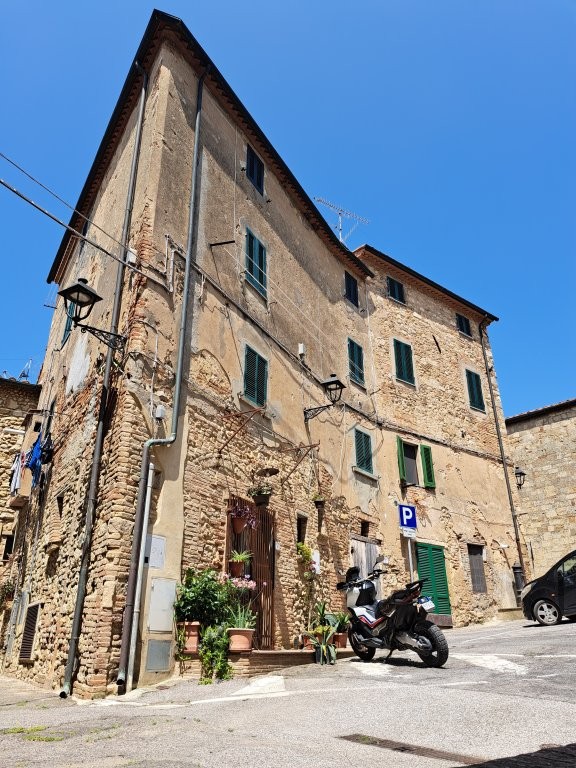
It’s relatively unspoiled, down-to-earth Italy, where the women watering their potted geraniums wear Crocs, not Cavalli.
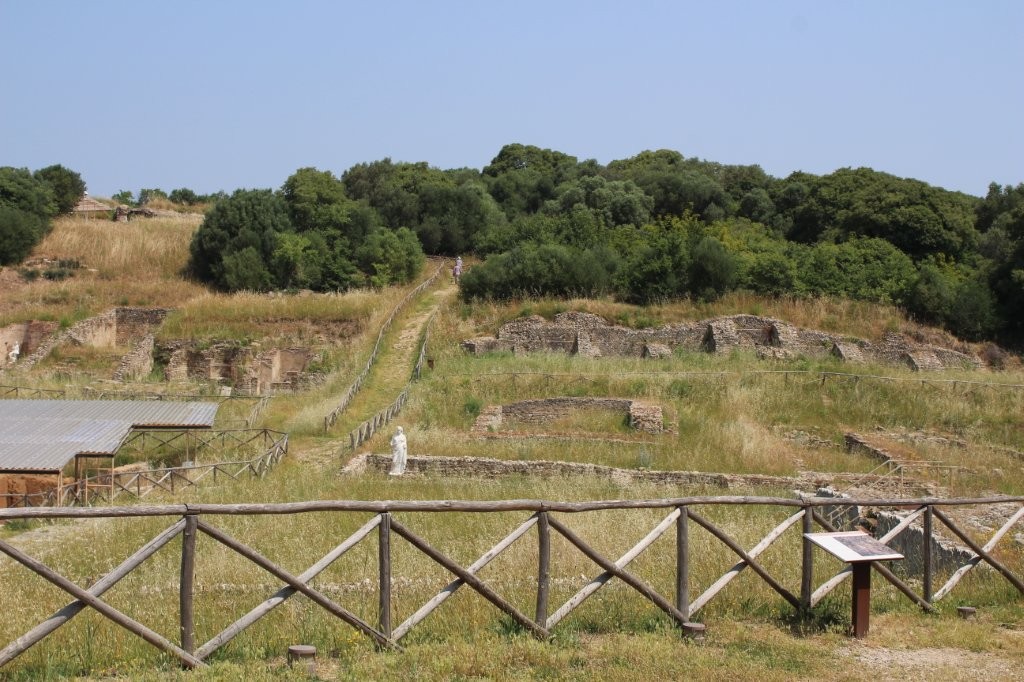
Tuscany takes its name from the Etruscans, Italy’s first major civilisation before the rise of Rome. Fittingly, the village of Roselle was our first day trip, as it’s located close to a major Etruscan settlement that’s considered the Maremma’s leading archaeological site.
The ruins are spread over a ripple of hills, overlooking fertile farmlands that were once malarial marshes. Strolling in the sun, among wild flowers and bees, you’re transported back in time as you spot wagon wheel tracks worn into ancient paving stones.
We discovered the remains of Etruscan ‒ and later Roman ‒ walls, a forum, amphitheatre, thermal baths, a pottery workshop and a blacksmith’s forge.
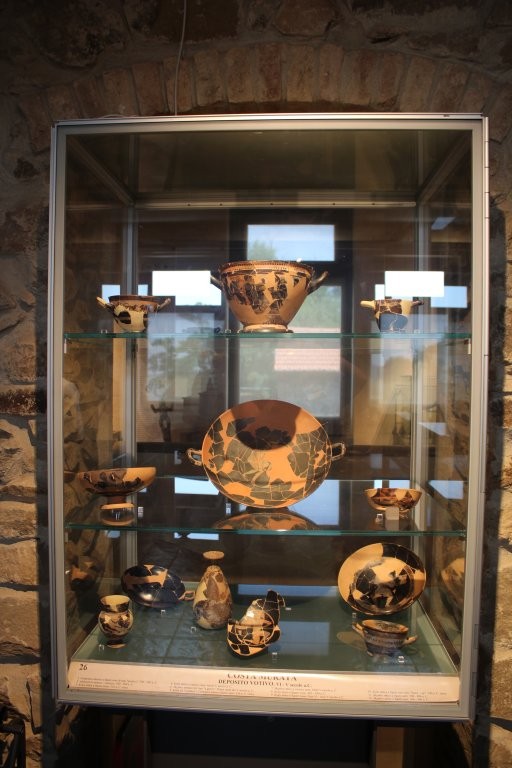
Next stop, continuing the Etruscan theme, we visited Vetulonia’s Museo Civico Archeologico, a small, beautifully designed museum. Vases, urns, jewellery and other finds are displayed in seven rooms over two floors. The museum is named after Isidoro Falchi, an Italian medical doctor and self-taught archaeologist, who discovered the long-lost city of Vetulonia at the end of the 19th century.
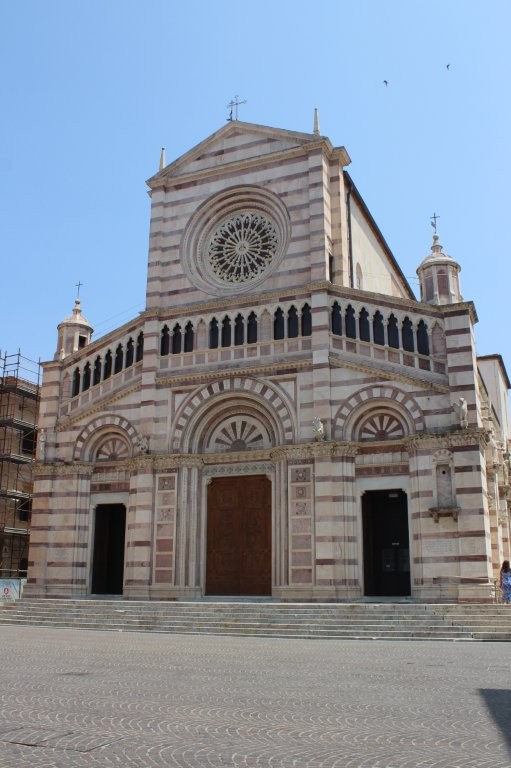
Next stop was Grosseto, the main town of the Maremma, whose architectural jewel is the white and pink stone Duomo di San Lorenzo. Construction began in the late 13th century but the church has been enlarged and modified over the centuries, the facade beautifully decorated with images of saints, flowers and animals, and with a chocolate-and-white striped marble interior.
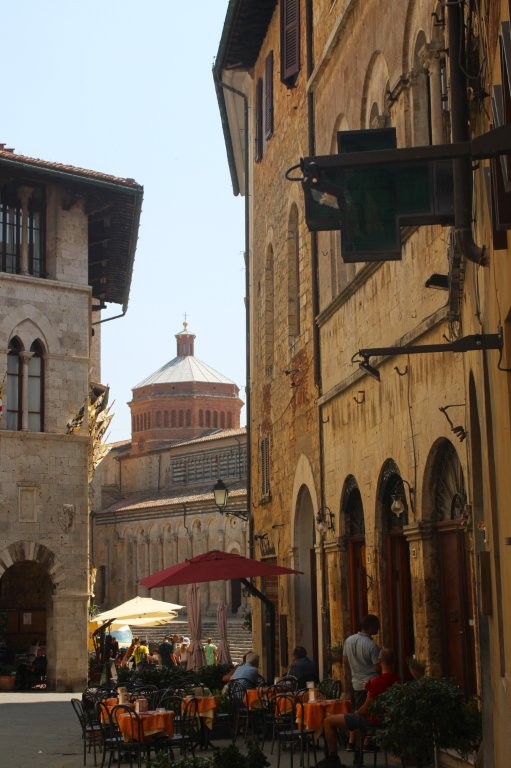
The perfect spot for a cooling Aperol, before exploring the elegant shops, can be found in the covered arcades off Piazza Dante. The Museo Archaeologica e d’Arte della Maremma traces the story of the region, focusing on Etruscan and Roman finds, and sacred art.
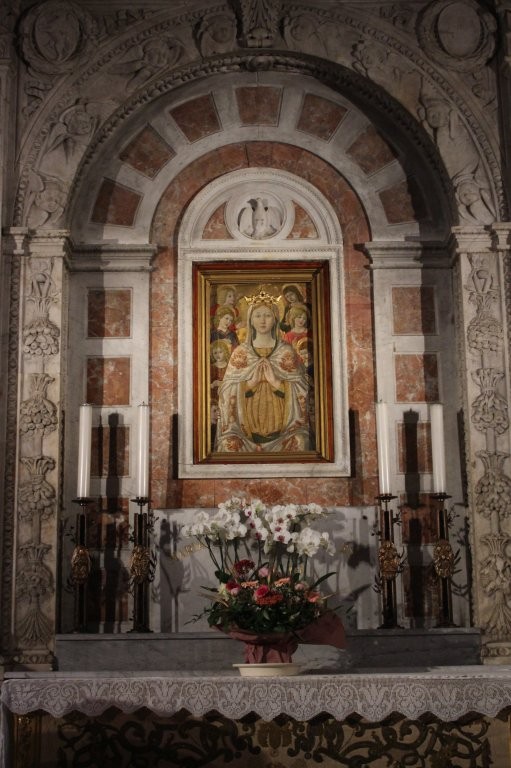
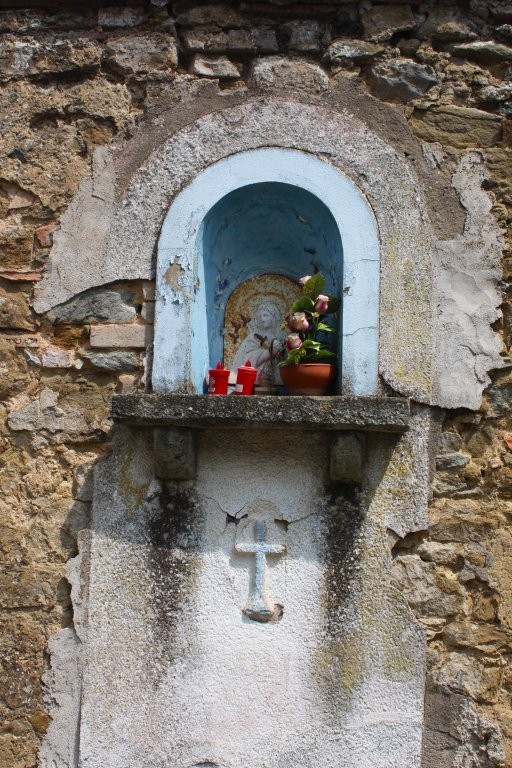
The Maremma has also become one of Italy’s fastest-growing and most respected wine areas. Travelling past outcrops of red poppies, vibrant against ancient stone, and tiny roadside shrines of the Madonna, the sheer number of tempting wine estates makes choosing one a delicious dilemma.
The area around Scansano is famous for its Sangiovese-based red wines, and we loved Terenzi estate, which has 60 hectares of vineyards and 14 hectares of ancient olive groves. The owner’s son-in-law was passionate about the range of elegant, contemporary wines, such as their white Vermentino Balbinus, the Passito Petit Manseng dessert wine (grapes are partially dried before fermentation to concentrate the sugars and flavours), and the single vineyard red Madrechiesa .
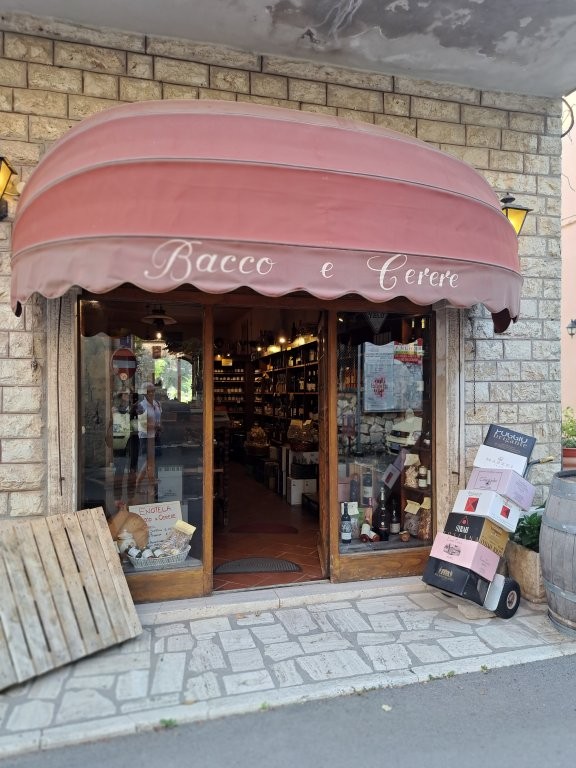
Bolgheri is a great place to discover regional wine and food in little wine shops and trattorias. Leading to the town, over 2 000 cypress trees border a five-kilometre-long avenue – a classic Tuscan sight. No cars are allowed beyond the ancient town walls, where a red-brick castle stands sentinel.
Massa Maritima, another lovely hill town, comes as a surprise as it boasts grander buildings than many pared-back Maremma villages. A magnificent Roman Catholic cathedral, Cattedrale di San Cerbone, dominates the main square. We watched a bride, accompanied by her father, slowly ascend the monumental stone steps to the church.
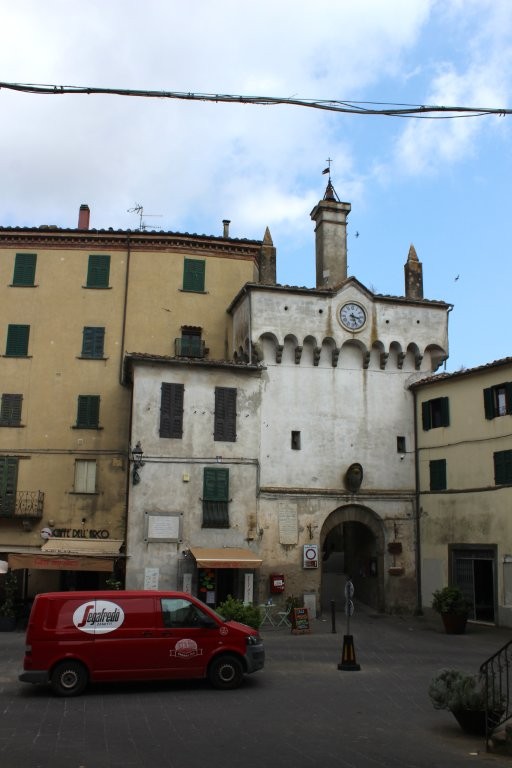
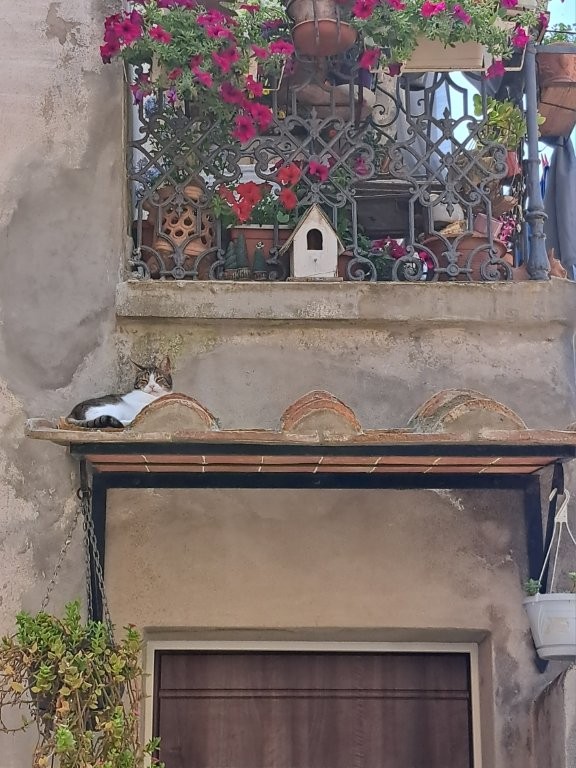
In Bibbona, another find, we explored tiny stone-paved mediaeval piazzas and alleyways, surveyed by a black and white cat settled on a terracotta-tiled roof.
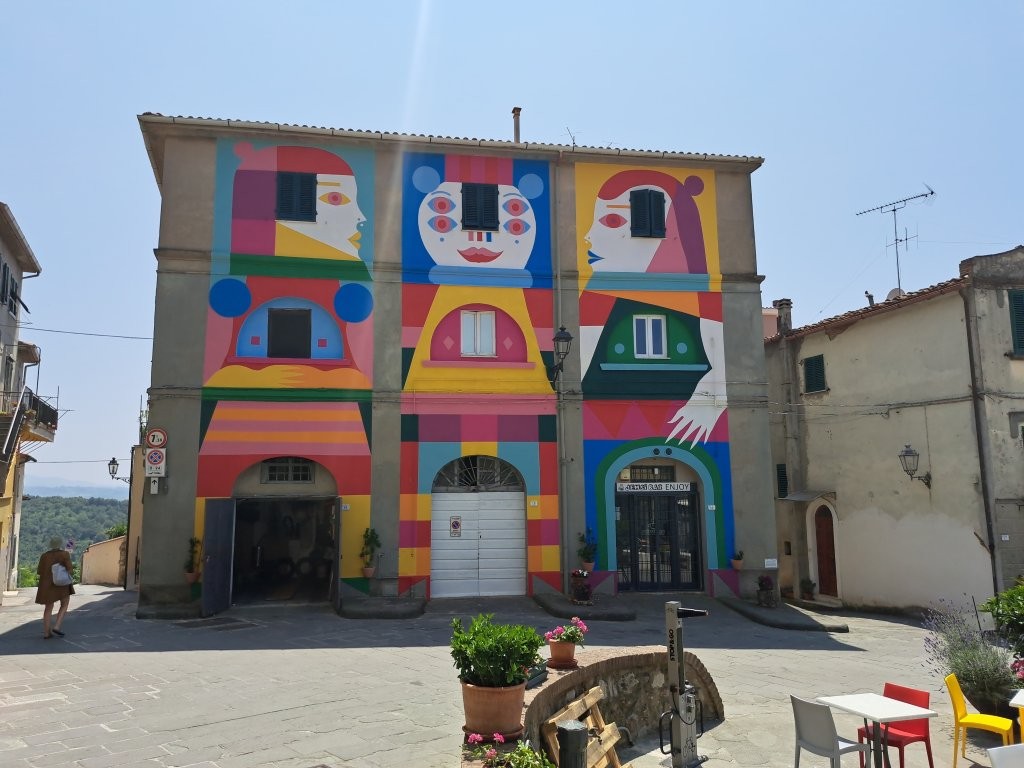
The town of Riparbella, popular for festivals, sports buildings decorated with bright murals, in contrast to shaded alleyways where swallows build their nests.
Many of these picturesque spots are just a short drive from the Tyrrhenian Sea ‒ the region has several blue flag beaches, flanked by extensive pine forests. This coastline, stretching from Livorno to Piombino, known as Costa del Etuschi, references the Etruscans again. Most beach spots are easily reached via the Via Aurelia highway, a reminder of the ancient Roman road that connected Rome to Pisa.
We enjoyed delicious fish at a restaurant set just steps from the beach at Follonica, where bronzed Italians strolled to their tables wearing little more than a bikini and wrap. We also swam at Popolonia, about 19km from our base.
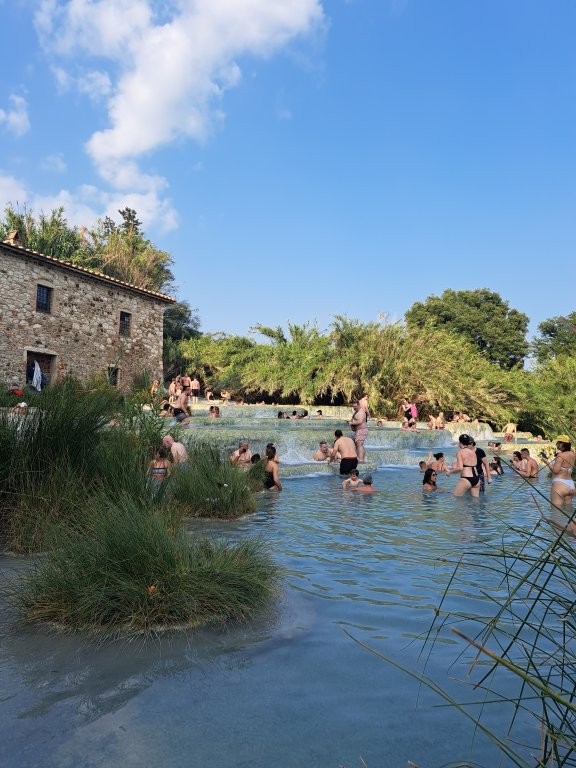
We also discovered another, far more unusual, place for a dip.
Just beyond the town of Saturnia, Italians of all ages, shapes and sizes chill out in a series of outdoor hot spring pools. Various legends allude to the name: one says the Roman god Saturn was tired of warring humans, so delivered a thunderbolt to earth, creating a magical spring of warm, sulphurous water to pacify the people.
Whether you’re attracted to nature spots, or the opportunity to enjoy fabulous food and world-class wines, the Maremma remains one of Italy’s best-kept secrets ‒ a region that’s delightfully far from the madding crowd.
Getting there: The closest airports are in Pisa and Rome. We travelled by train to Florence and hired a car.
Where to stay: Offerings range from campsites and farmhouses to luxurious resorts. We chose two budget-friendly AirBnb bases from which to explore the region. The first, La Sartina, had barely changed since its namesake, the local seamstress, lived in this village of Sasso d’Ombrone. Our next base, Opera Viva, is an organic farm near Suvereto. Breakfast was served under a shady stone pine next to the naturally filtered, chemical-free pool.
Food: The Coop supermarket chain has outlets throughout the Maremma, where we stocked up on cold meats, cheeses, salads and fruit. I was intrigued to see plump, pink, ready-cooked octopus “without preservatives and high in protein” at one outlet, but a recent viewing of My Octopus Teacher held me back.


© Words and images Judy Bryant