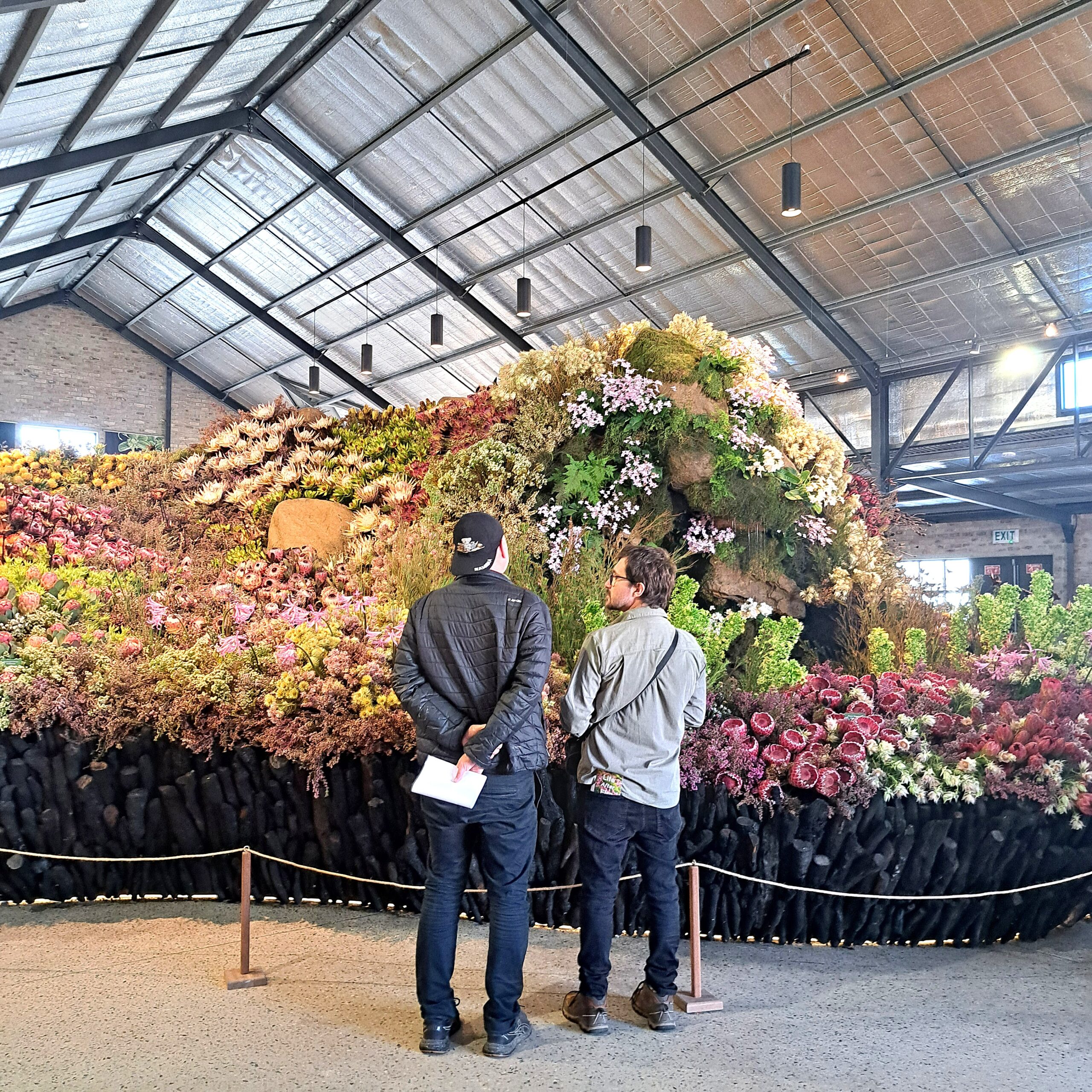
Fire is frequently linked with damage and destruction, but its regenerative impact was beautifully highlighted at the third edition of the popular Chelsea Flowers in Stanford.
“Life After Fire”, the Gold Medal- and Best Exhibit-winning South African display at RHS Chelsea Flower Show 2026 in London, was meticulously recreated to educate visitors on how the Cape fynbos landscape blooms after a blaze.
Hundreds of people travelled to the picturesque Overberg town for the festival, which organiser Nicolene Gericke described as “a celebration of our lovely indigenous fynbos, the historical means of income in our area.”
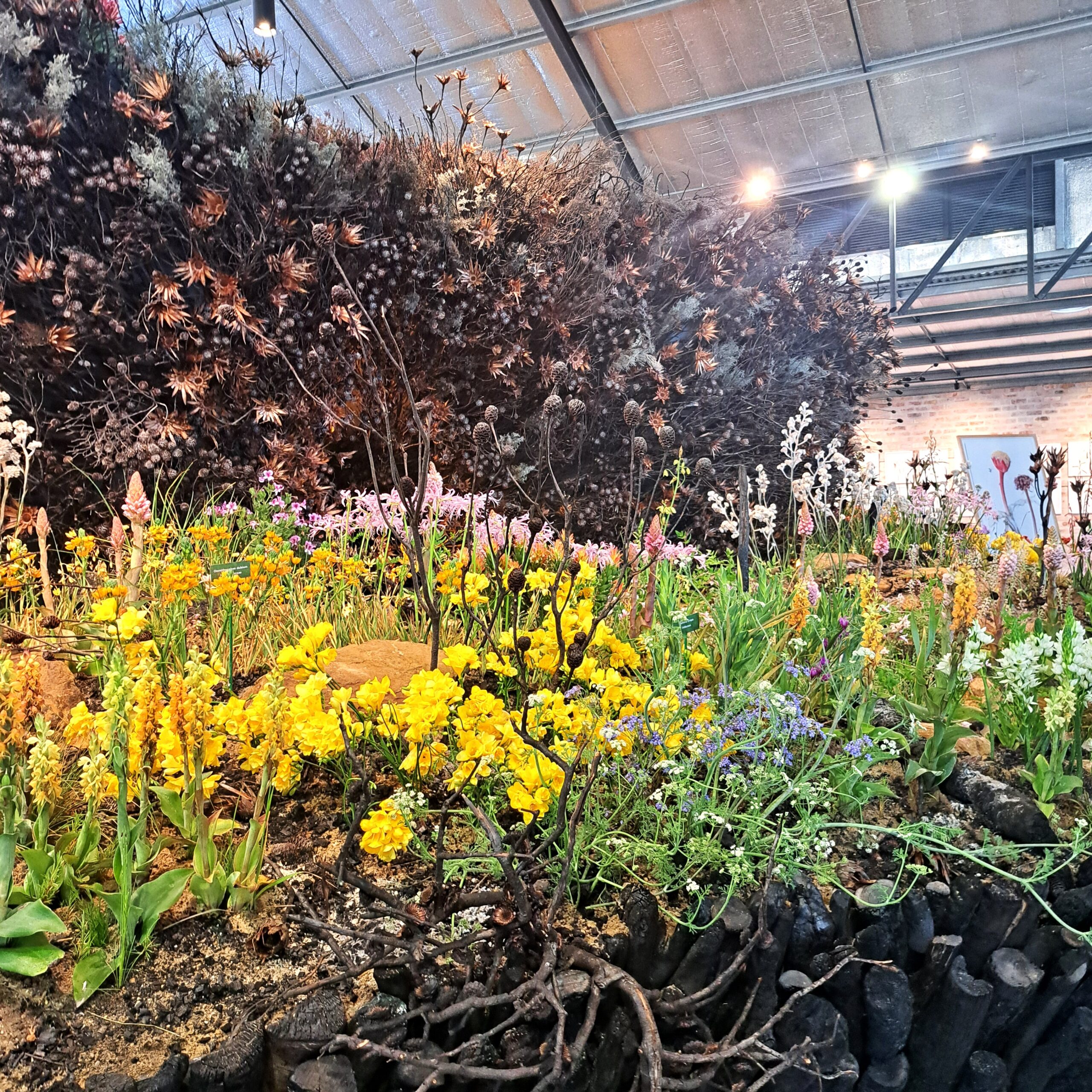
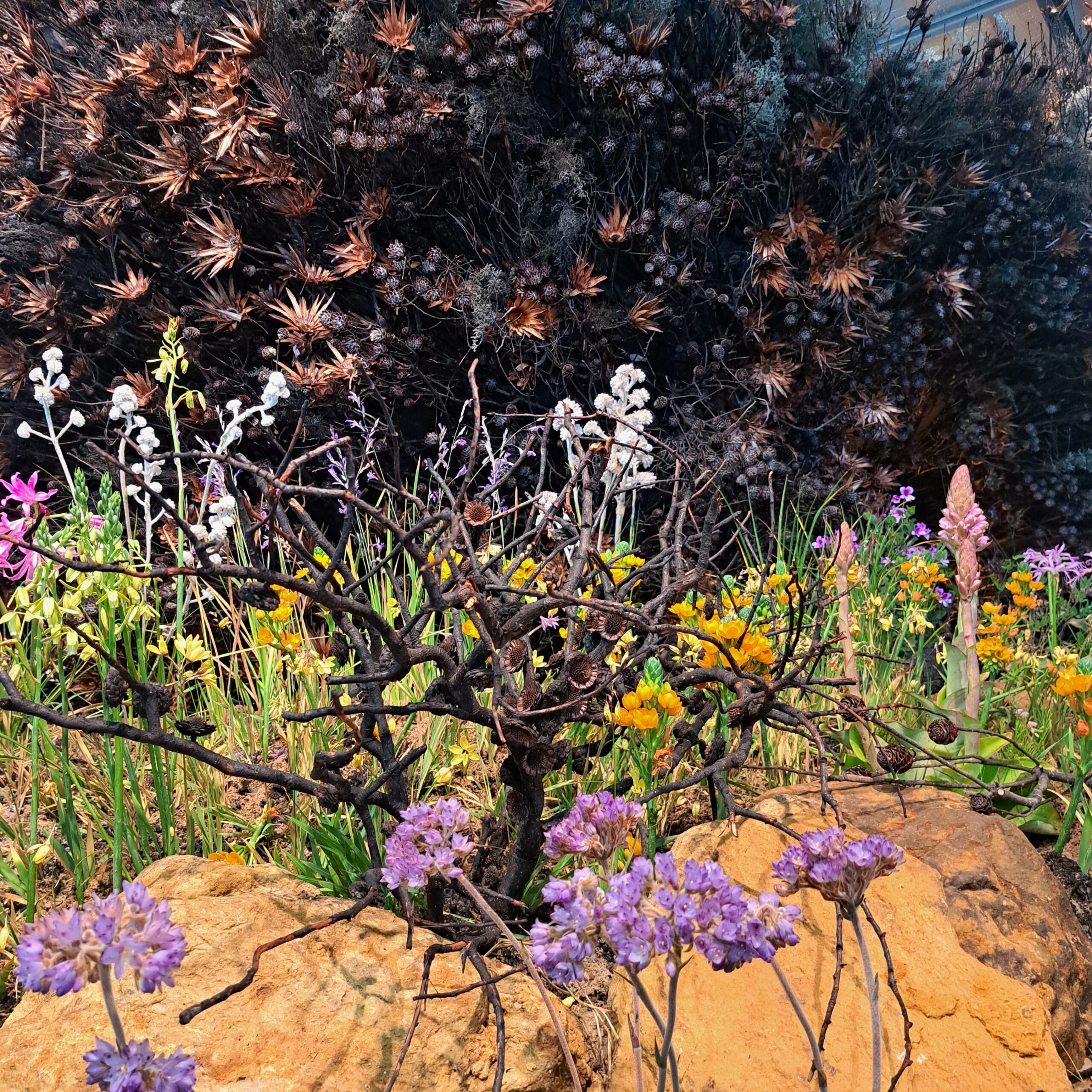
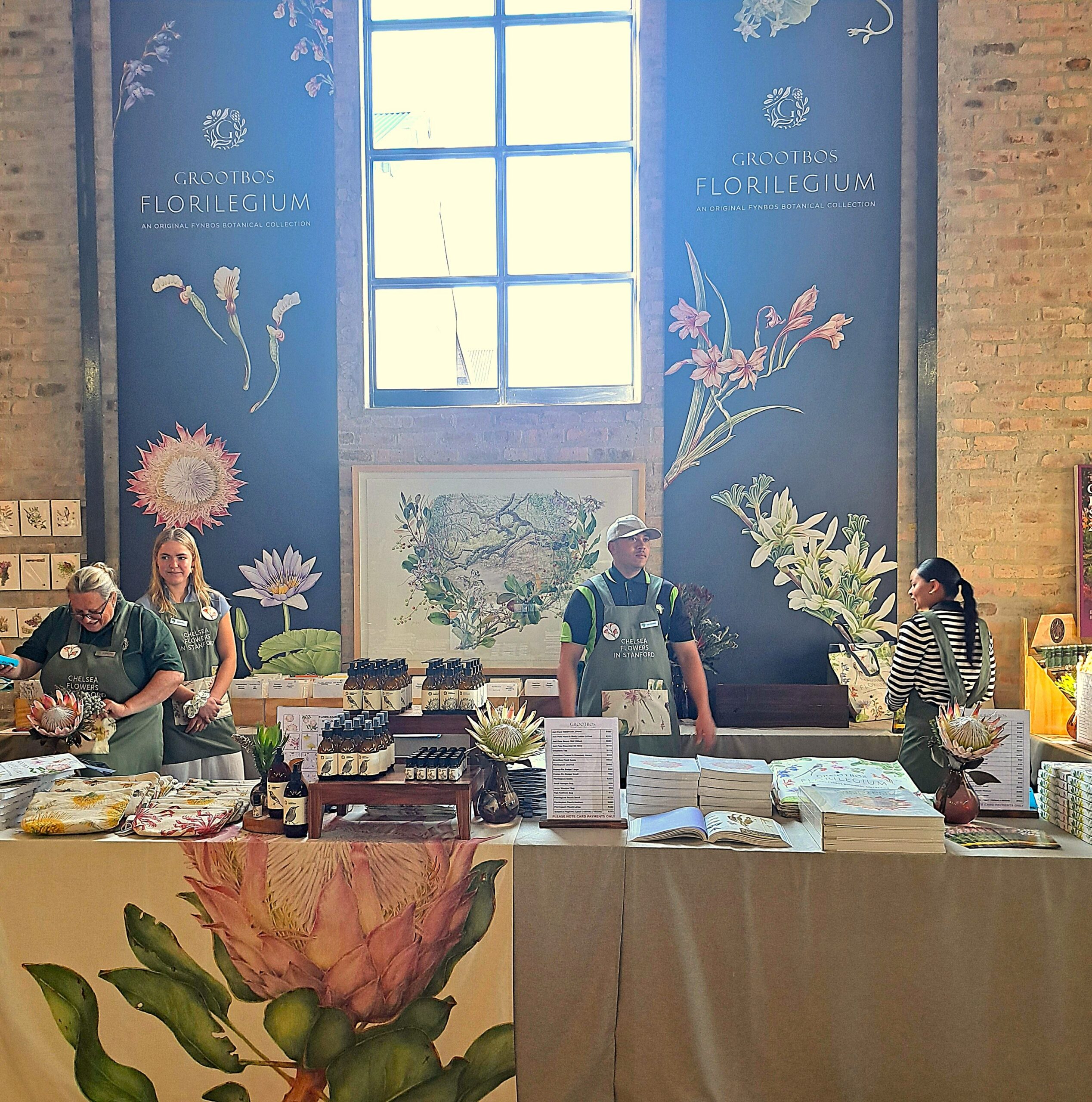
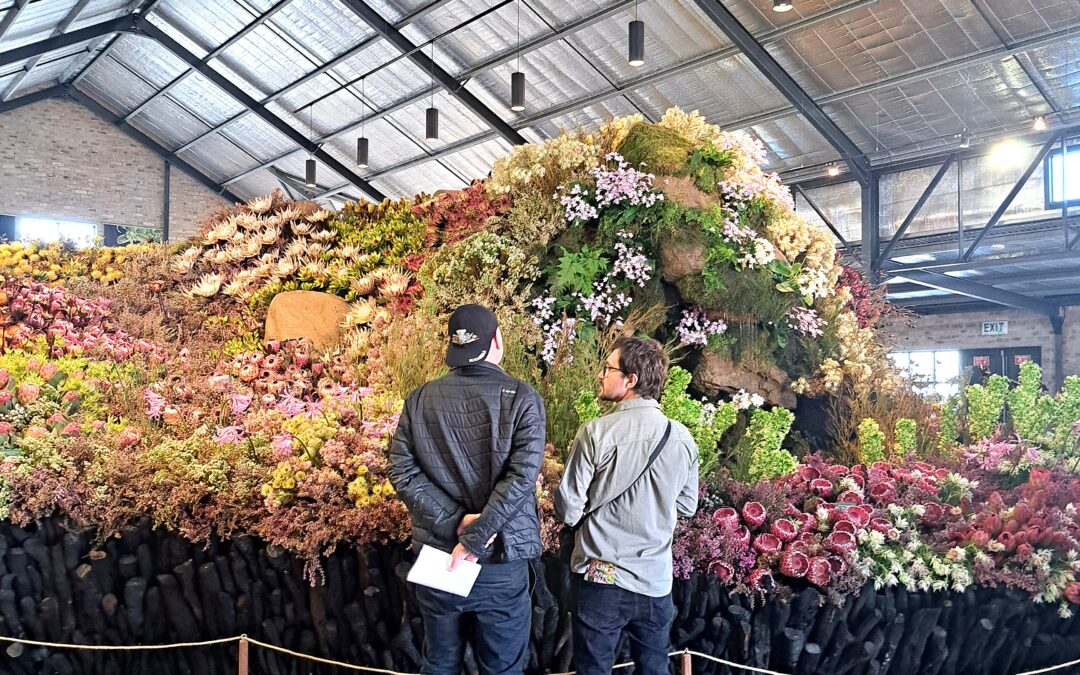
The exhibition hall in Queen Victoria Street was already a hub of activity when I arrived early one Sunday morning. Visitors crowded around the main attraction, where thousands of charred protea branches, representing the burnt landscape, contrasted with some 20,000 bright proteas, bulbs and orchids. A representation of windswept Western Cape mountain slopes linked the exhibit to the natural fynbos environment.
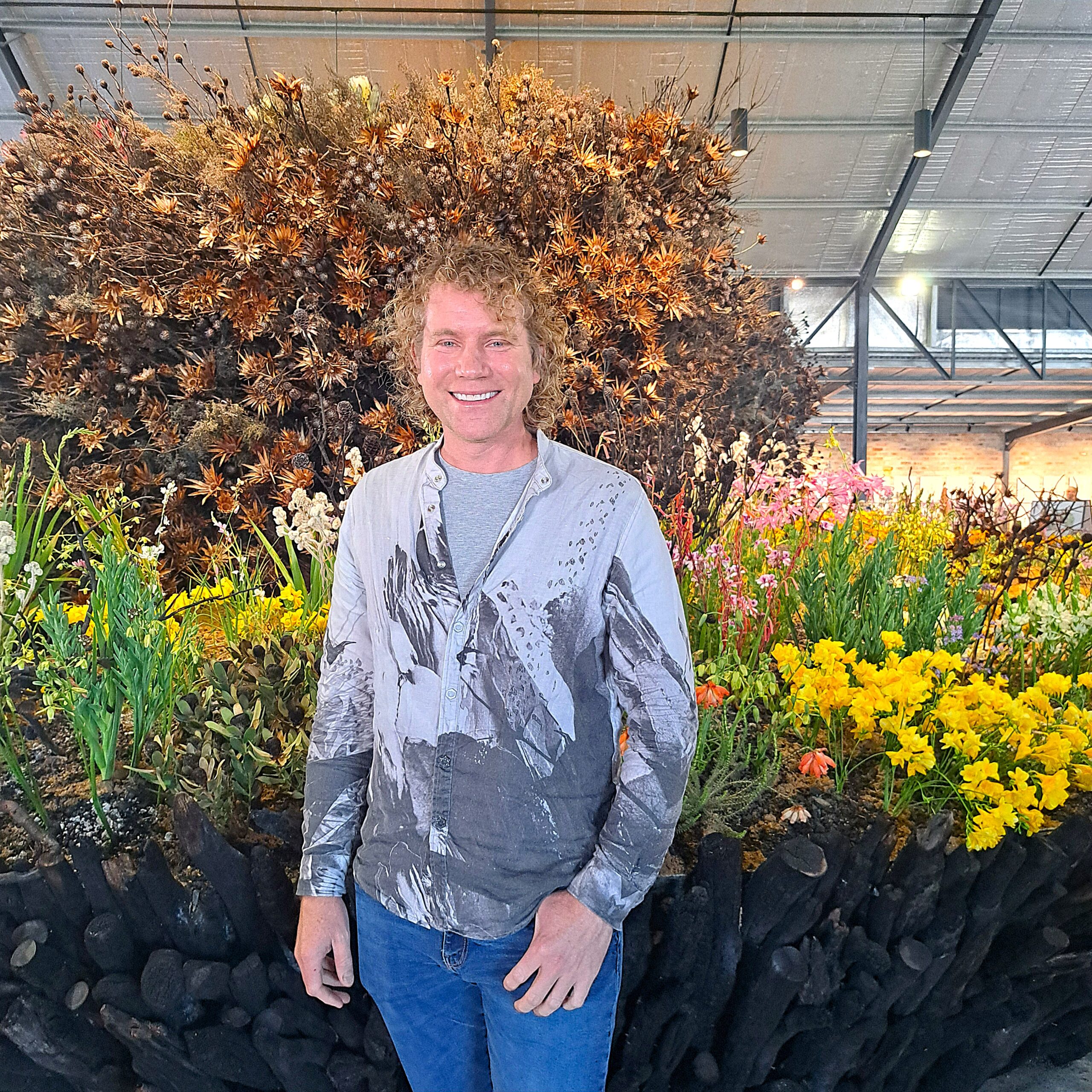
Botanist and lead designer Leon Kluge told me: “When we took the exhibit to the Chelsea show, it was great getting the recognition for our flowers and the beauty that we have. But it (the exhibit) was only halfway. We needed to bring it back to South Africa for our local people to see how special it is here – how privileged we are with our flowers.
“I saw this when we opened here (in Stanford), how everybody comes to the gardens to marvel at our plants and the beautiful fynbos we have. So that makes my heart warm. And you know, it only takes one spark somewhere, for somebody like a farmer to start protecting and looking twice at the beauty that he has on his land.”
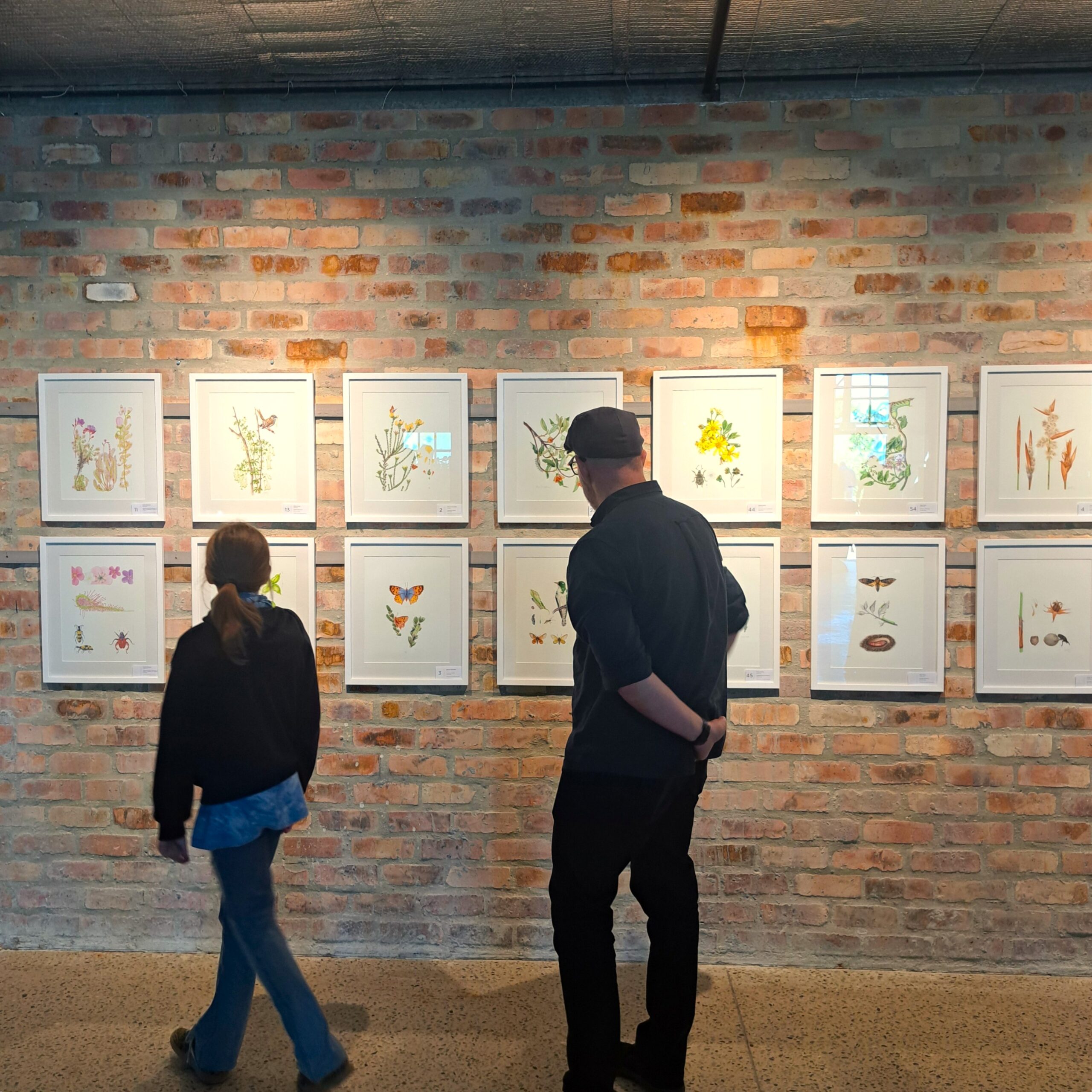
At the show I also admired exquisite works by South African botanical artist Jenny Hyde-Johnson, who not only depicted threatened plants found on the limestone formations of Grootbos Private Nature Reserve, a renowned fynbos conservation and luxury hospitality destination near Stanford, but also portrayed aspects of the landscape itself in the artworks.
“When I started to look at the limestone, it was as diverse as the flower,” said Jenny. “That was why I decided I needed to show the landscape to these judges (at the 2026 RHS Botanical Art and Photography Show in London) and tell them that they (the plants) come from these little pockets of limestone in that particular landscape.”
Jenny had an exceptional showing in London, winning a gold medal, best botanical artwork and best botanical art exhibit.
Grootbos is the principal sponsor and main driver bringing the award-winning Chelsea display to the village. “I have always believed that fynbos should have its time in the spotlight,” said Grootbos owner Michael Lutzeyer, with proceeds supporting the Grootbos Foundation’s conservation and community work.
Some examples of the impact of the Grootbos Foundation, in the fields of youth development, landscape conservation, jobs skills training and green skills training, include documenting 1024 plant species in the Grootbos private nature reserve, teaching 600 children how to swim, helping 333 students graduate in horticulture and hospitality training, and supporting 202 entrepreneurs through mentorship and seed funding.
Numerous public and private gardens were open to visitors too, often with a particular appeal – who could resist Aperol and scones in the Speldekussing (Pincushion) Open Garden?
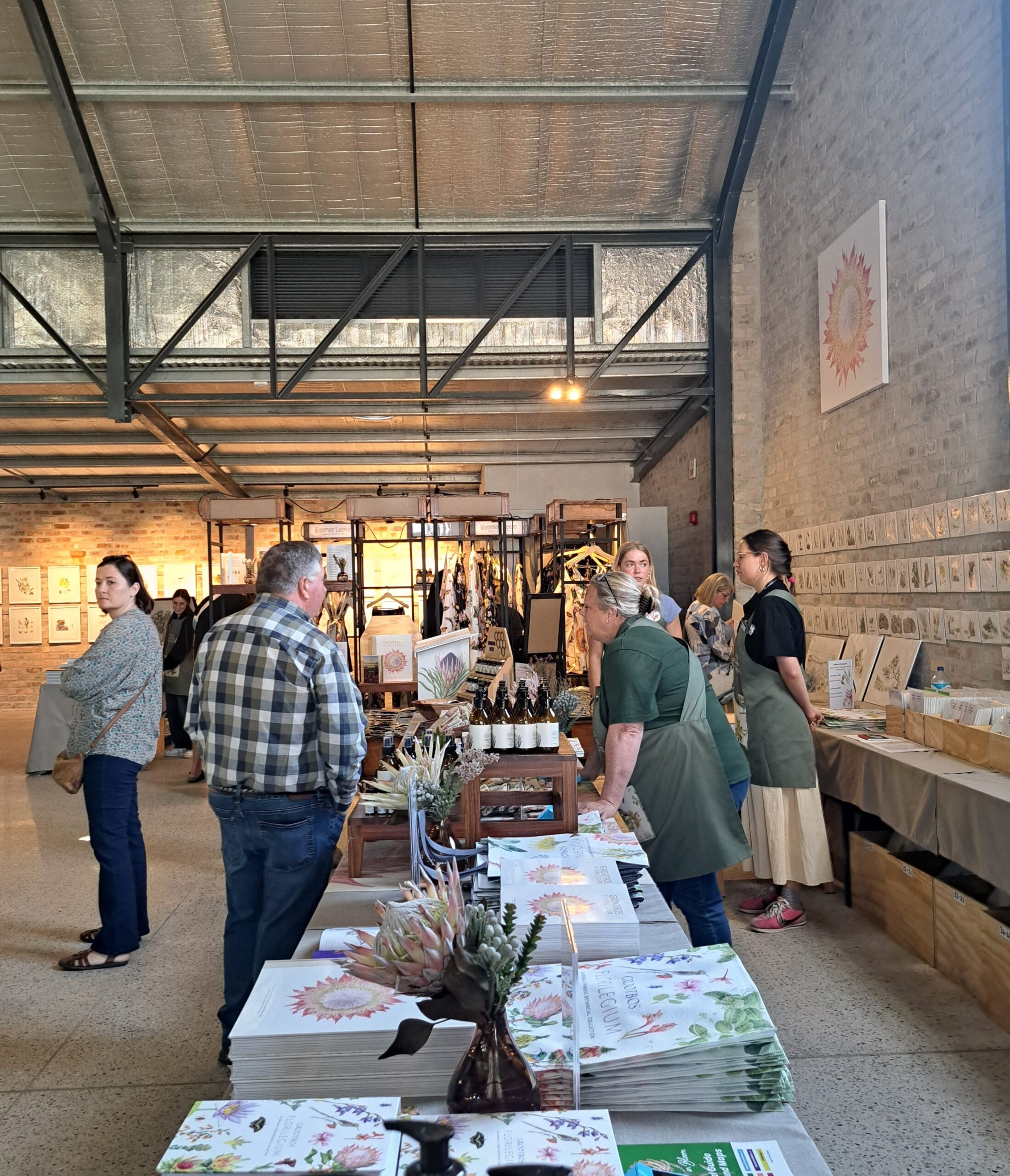
Within the exhibition half, there was a brisk trade in flower-inspired gifts, ranging from stationery and clothing to body lotions and beauty treatments. Within the village, retail ranged from artisanal soap and bath products from Antjie’s Handmade Naturals factory shop, to Kiwinet mosquito nets, antiques and décor from Withers, and cabinetry and craft at Brandt Möbel Kreatif.
As Dr Hannah Siebrits, chairperson of the Stanford Tourism and Business Association, said, “there’s something for everyone during Stanford in Bloom”.
Be sure to book in 2027! https://stanfordinbloom.co.za/
© Images by Judy Bryant