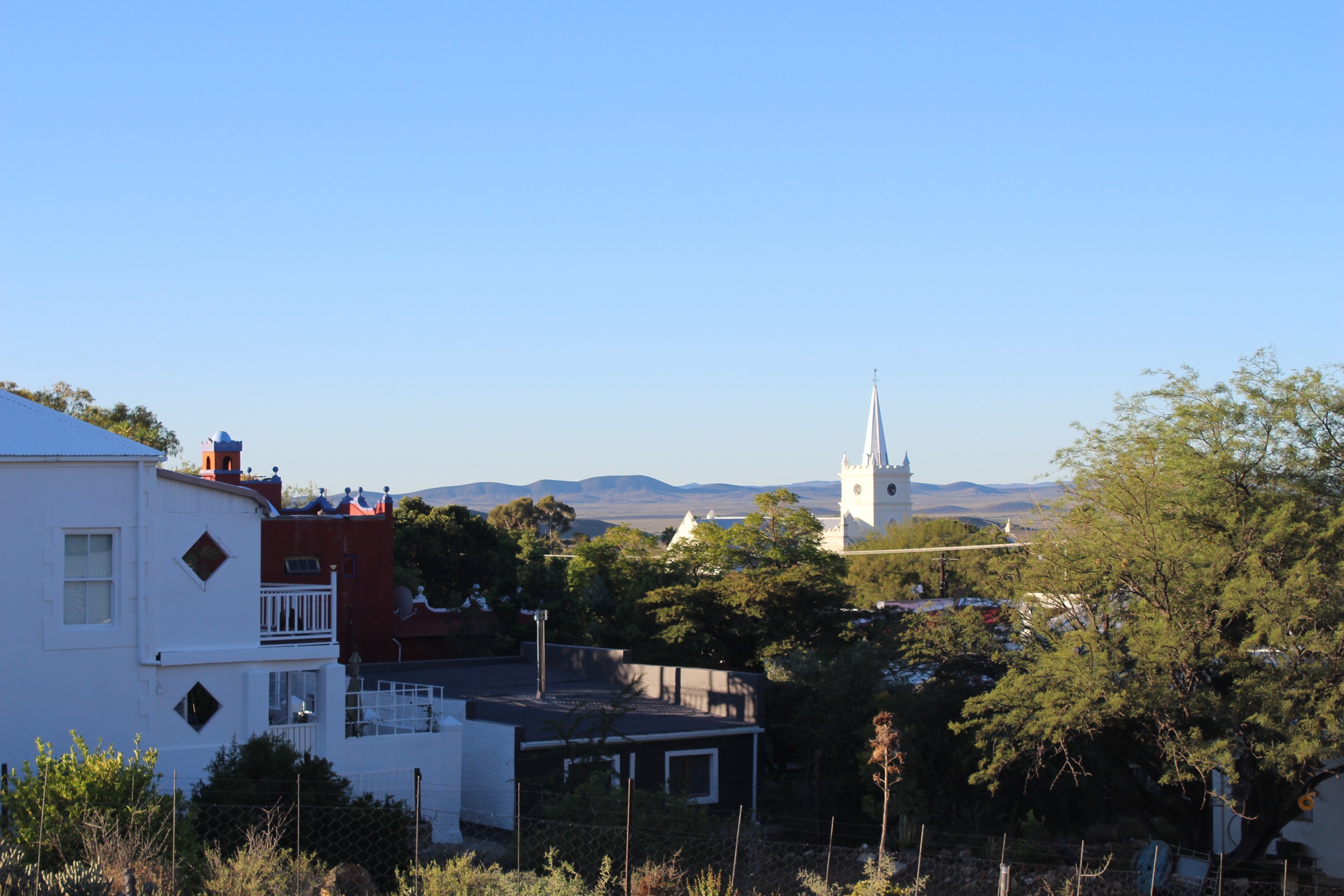
Possibly it’s the distance from Cape Town, and the sentinel of surrounding mountain ranges, that have contributed to the conservation and serenity of Prince Albert at the southern edge of the Great Karoo.
I first realised that this picturesque spot was distinctive when, strolling down a side street flanked by sky-blue plumbago and scarlet bougainvillea, I met an artist practising the violin. His music blended with the sounds of cooing doves and leiwater swishing by to refresh thirsty gardens.
Prince Albert traces its origins to a loan farm named Kweekvallei, or valley of cultivation, dating back to 1762. The Dutch Reformed Church synod approved the purchase of part of the farm in 1842 to build a church. Three years later the village was proclaimed Prince Albert in honour of Queen Victoria’s husband, and it celebrated its 250th birthday in 2012.
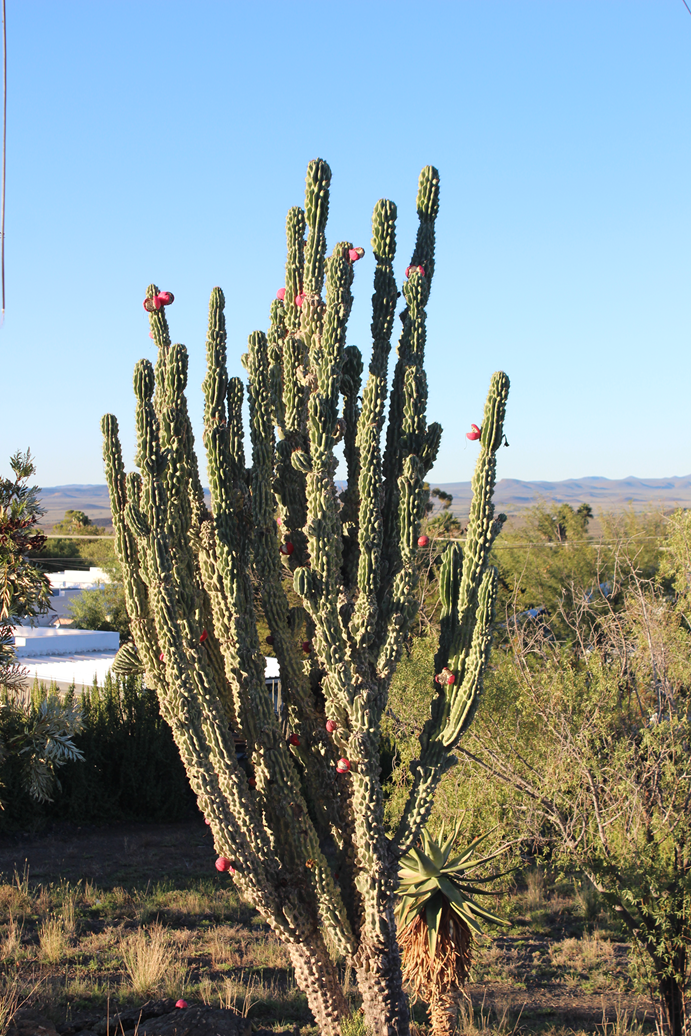
In contrast to the semi-desert aridity of the Great Karoo, Prince Albert is a fertile oasis with numerous “town farms” on its outskirts. Fruit groves and lush vegetable gardens are fed by mountain run-off. Local produce such as olives, apricots, grapes and vegetables, as well as local honey, jams and homebaked bread, is available in several shops and the Saturday market.
There are also long-established family farms such as Weltevrede, where fine figs have been cultivated since 1853, and Gay’s Guernsey Dairy.
Gay van Hasselt established her farm with three cows housed in a stone kraal. She initially sold fresh milk to a few customers, then to local schools and the Prince Albert Hotel. Today her farm shop stocks not only a range of delicious natural cheeses and yoghurts, but also yummy products such as dried figs, homemade bread, rusks and fresh vegetables.
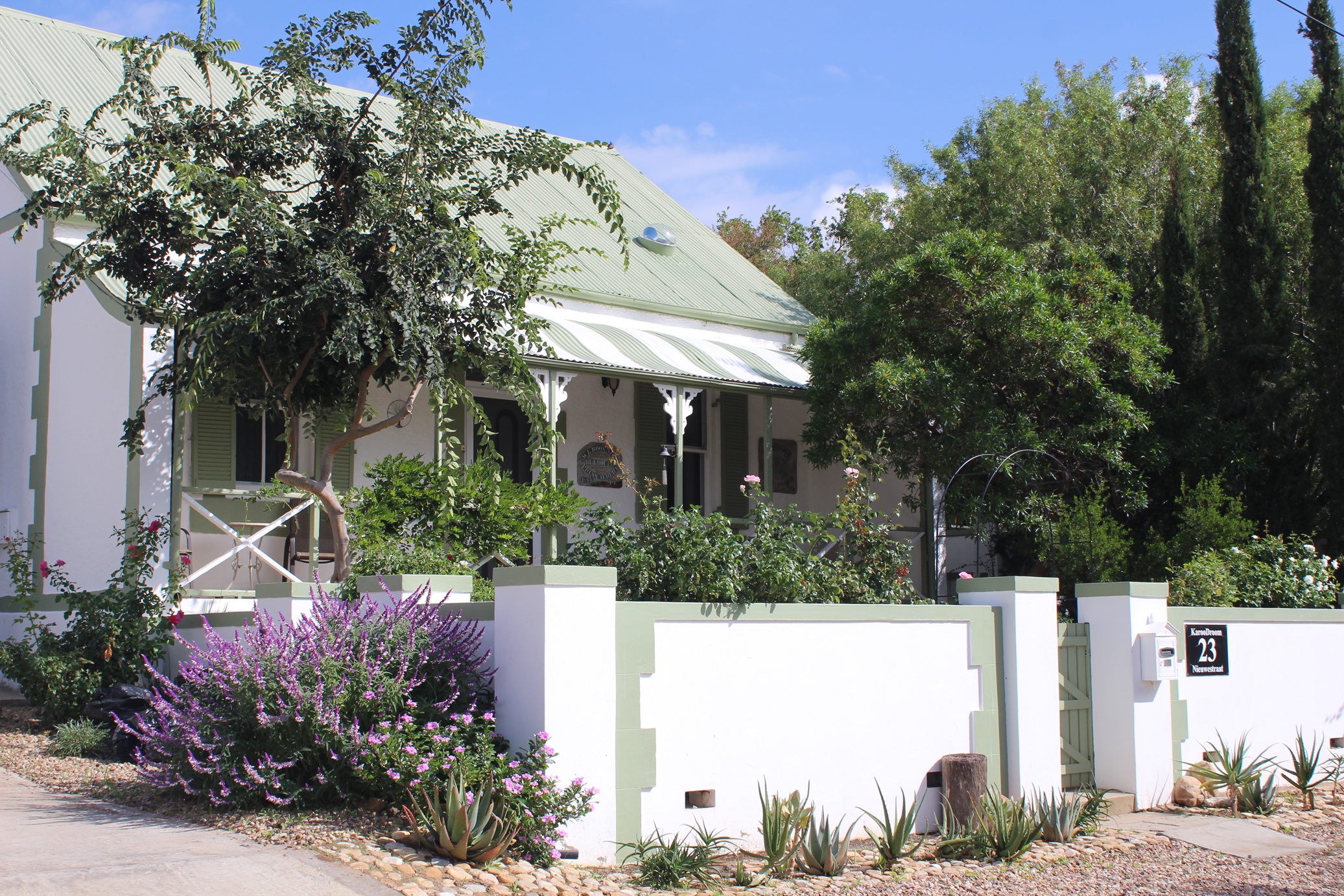
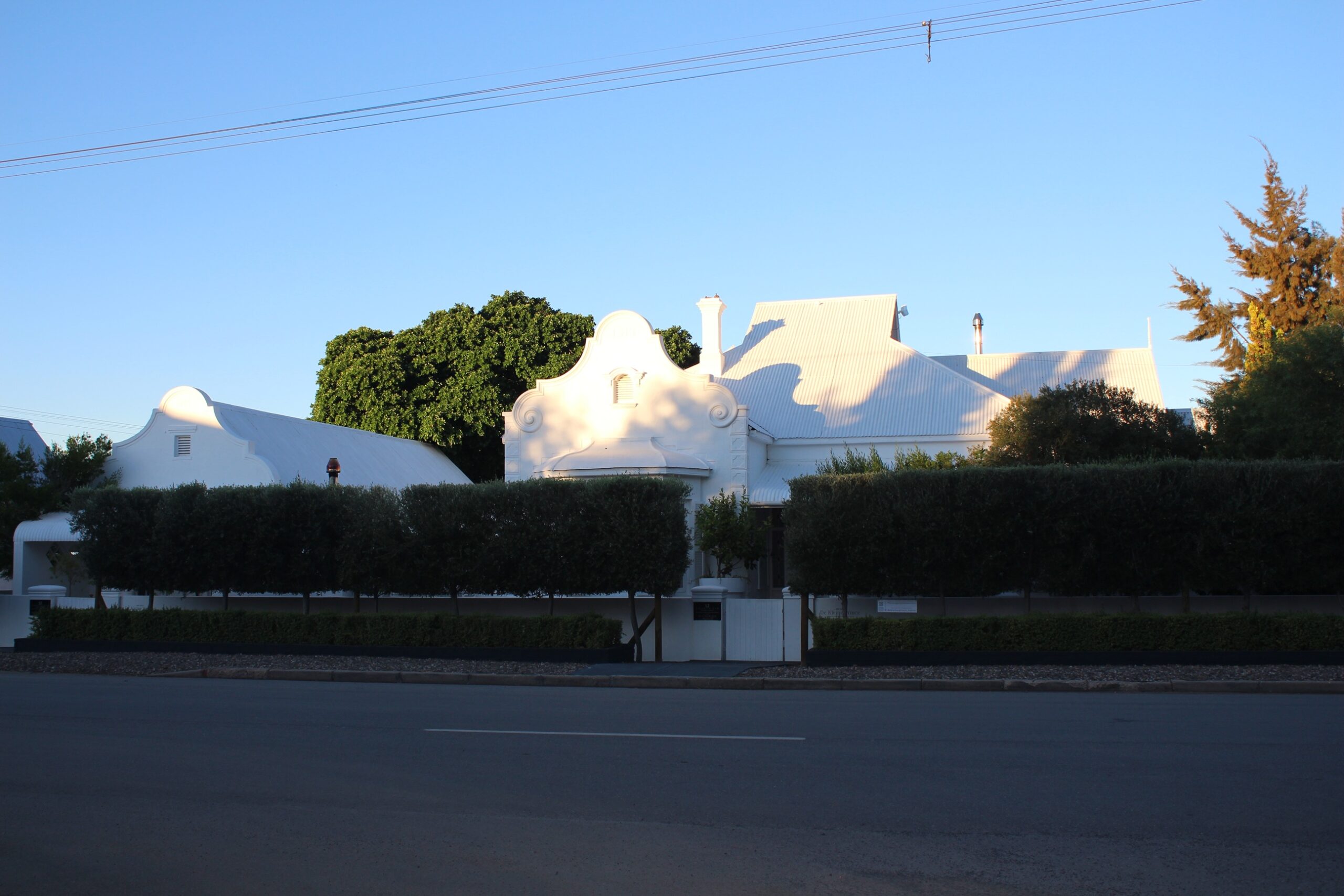
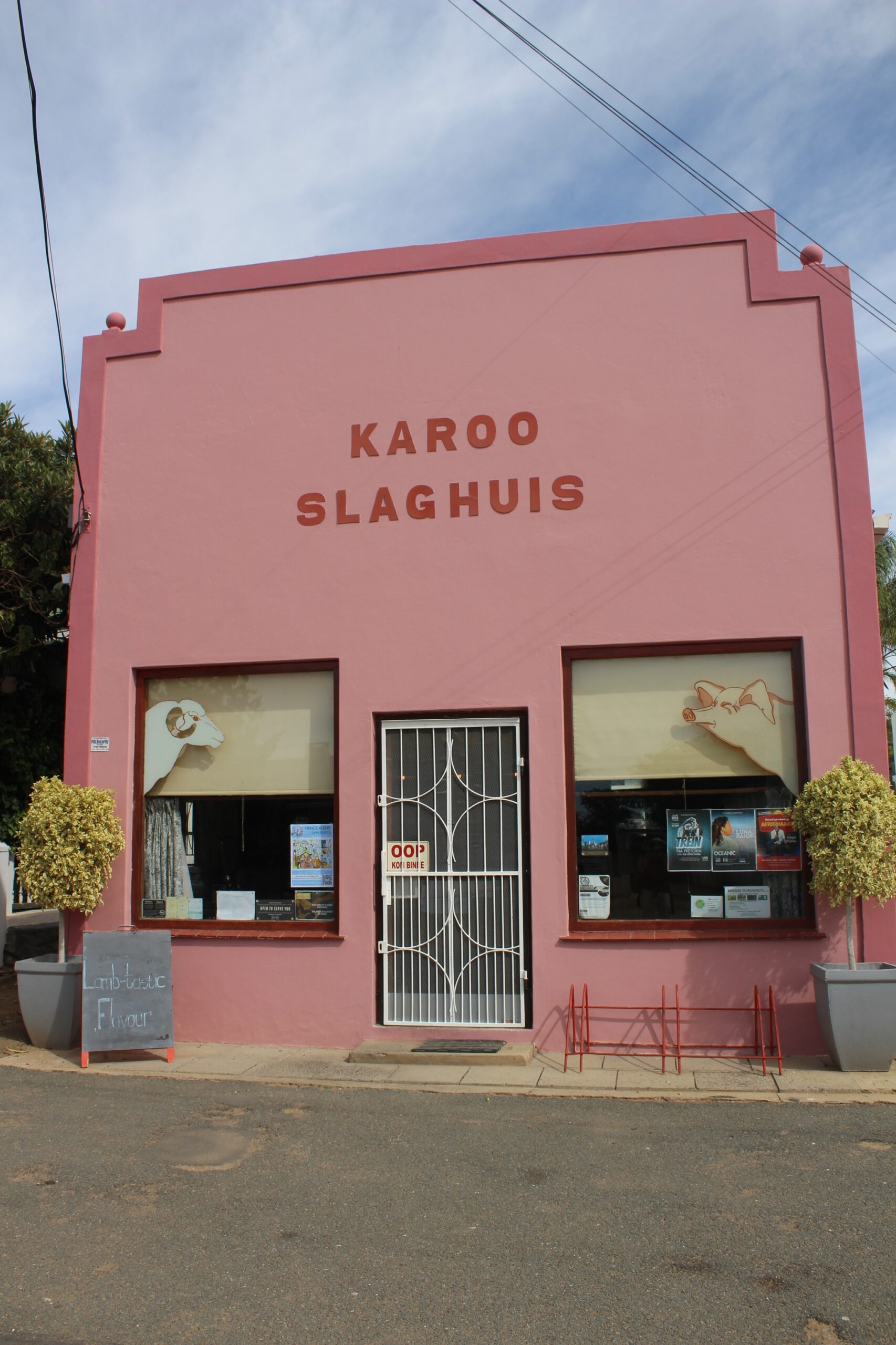
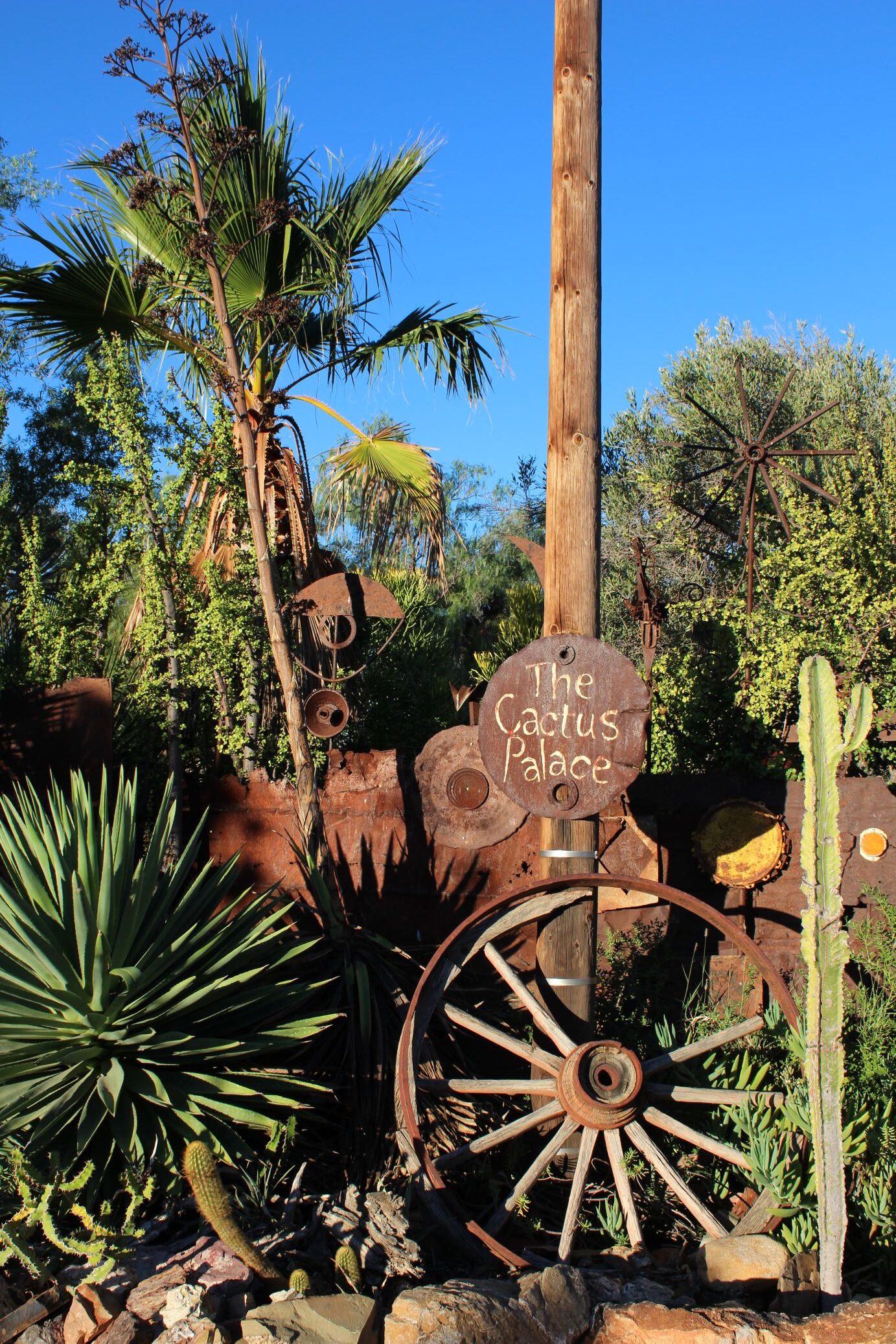
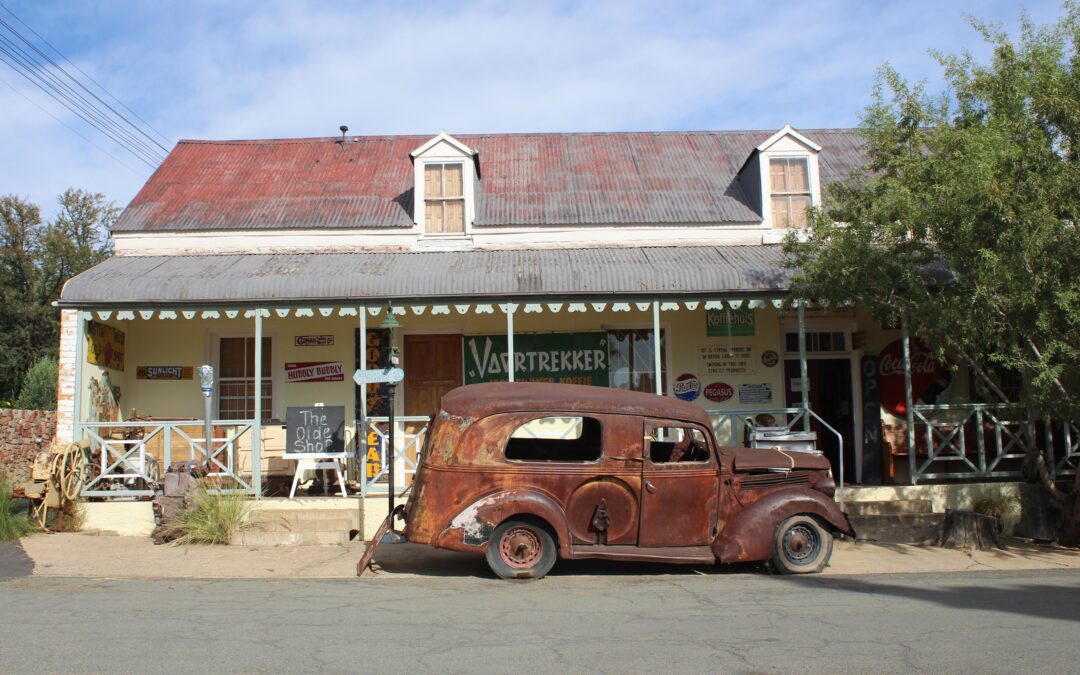
Strolling through the town it’s soon apparent that this is a treasure trove of vernacular Karoo, Victorian and Cape Dutch architecture. Numerous scalloped curves of “holbol” gables, dating back to the 1840s, 1850s and 1860s, are silhouetted against the cerulean sky. There are also quirky buildings such as the pink-painted butchery, and the former car dealership transformed into the Art Deco Showroom Theatre.
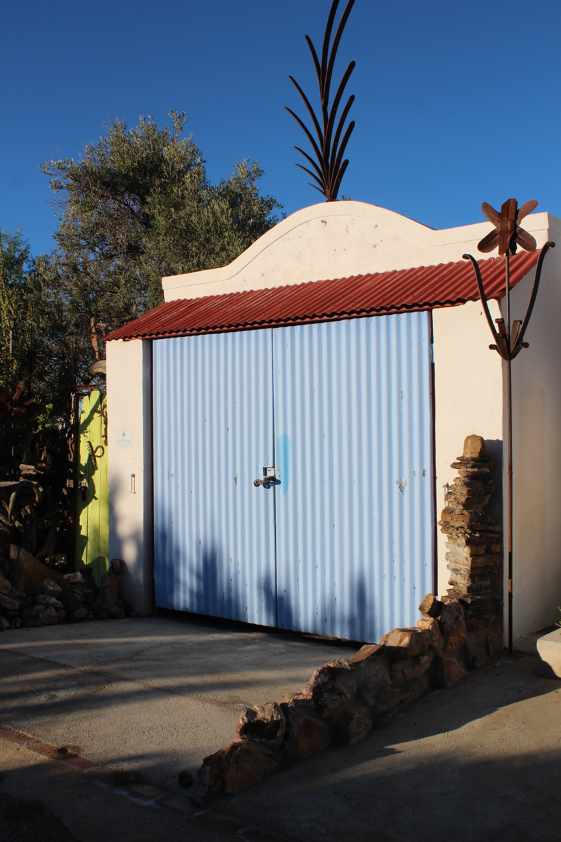
My own home from home was a renovated cottage, built over a century ago in the workers’ flat-roofed style, now sporting original mouldings around the blue-painted entrance door and windows, and a vintage cast iron Dover wood stove.
Its owner, botanical artist Sally Arnold, bought this tiny house while on a visit from Luxembourg. She restored the cottage with the help of her father Patrick, and was then inspired to create a contemporary home on her large plot in collaboration with architect Derick de Bruyn.
Conservative residents of Prince Alfred were agog as the house took shape, naming it “the squash court.” While the street side of the building was kept low and unassuming, the house was constructed as a series of stepped levels, with a ramp leading to Sally’s studio. Moroccan-inspired features include a circular tiled bathtub and a roof terrace, while enormous windows maximise the mountain views.Top of Form
This fresh take on vernacular architecture has since been widely acclaimed, and the house has featured in numerous lifestyle and design magazines.
Since then, more contemporary homes have been built here,Bottom of Form
such as Swartberg House, home of Jennifer Beningfield, founder of Openstudio Architects in London. Large glazed doors slide into rough-cast plaster walls, while small scattered openings allow shafts of light to penetrate into shadows.
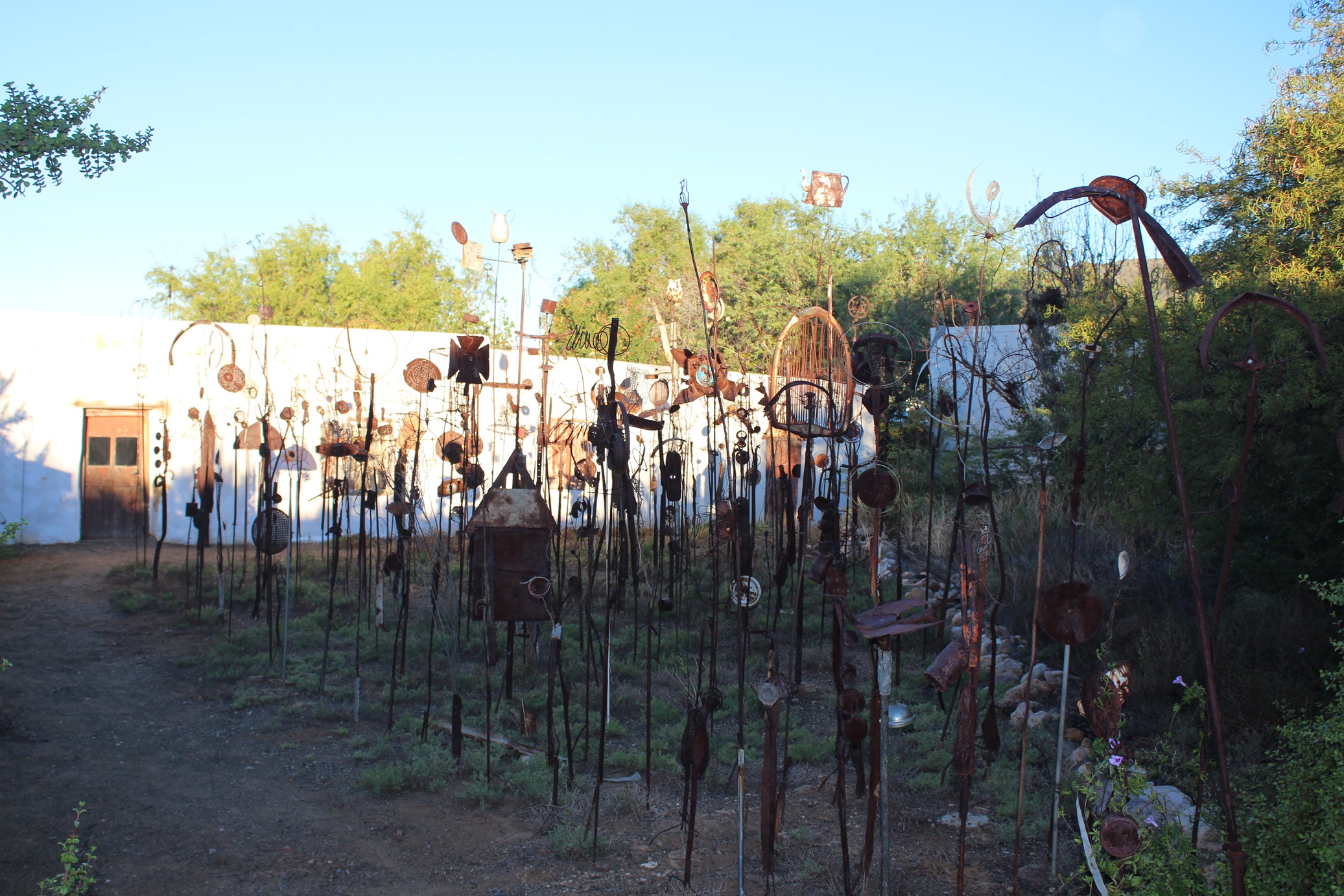
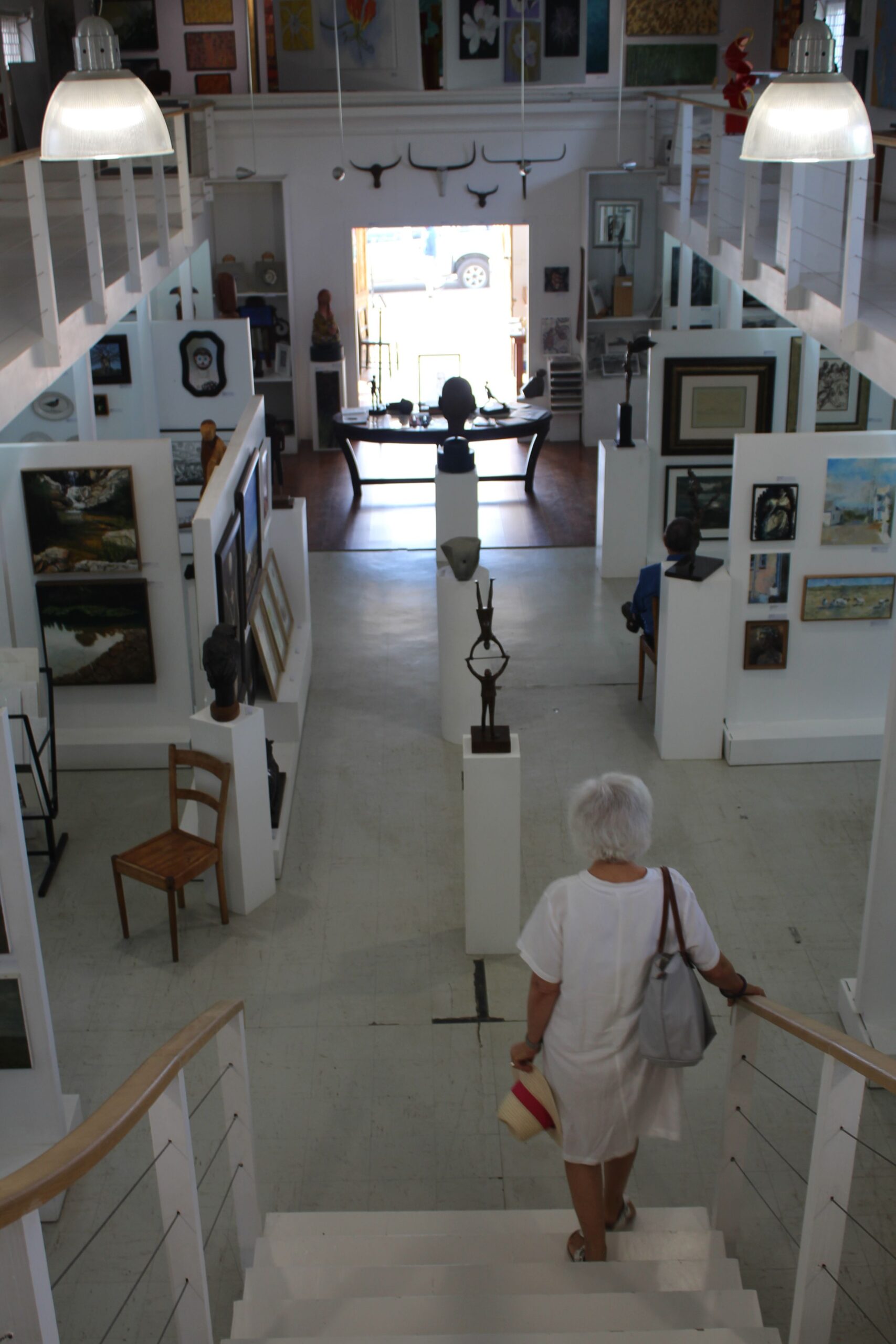
Prince Albert has numerous attractions for visitors. The town is well-known for its Open Studios, when collectors visit painters, jewellers, ceramicists, photographers and sculptors in their homes. The spacious Prince Albert Gallery specialises in Karoo artists, while the Journey to Jazz Festival is gaining momentum.
Good coffee shops abound, there are enthusiastic witblits distillers, and we enjoyed a delicious dinner at The Yellow House, where hosts Petro and Joubert offer a delectable menu based on local produce. My lamb shank was delicious.
There are several hiking trails around Prince Albert, but so much can be discovered right on your doorstep. Sally and I walked up to the koppie behind her house, where she pointed out ironstone outcrops scarred by lightning strikes.
A trip to this place of plein air painters and green-fingered gardeners is highly recommended.
Where to find it: Prince Albert is situated just over four hours’ drive from Cape Town, at the foot of the Swartberg mountain range. Summers can be exceedingly hot and dry, while winter months are rainy with possible snow on the mountains.
Where to stay: The Artist’s Cottage | http://www.artistcottages.com/
Where to eat: Yellow House, Petro Lotz 082 480 3725 petro@yellowhouse.co.za
Sources: https://princealbert.org.za/ | http://www.openstudioarchitects.com/project/swartberg-house/
Images: © Judy Bryant