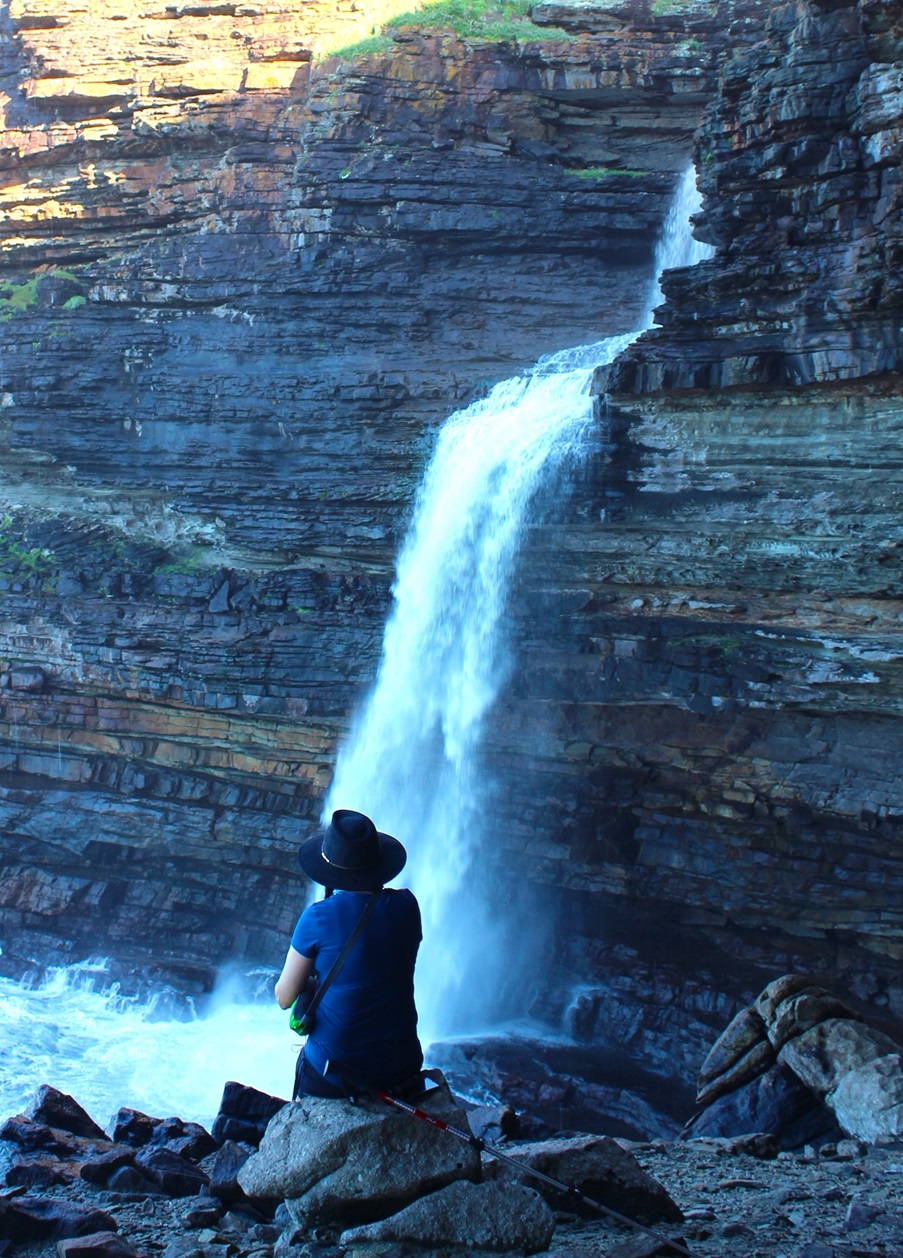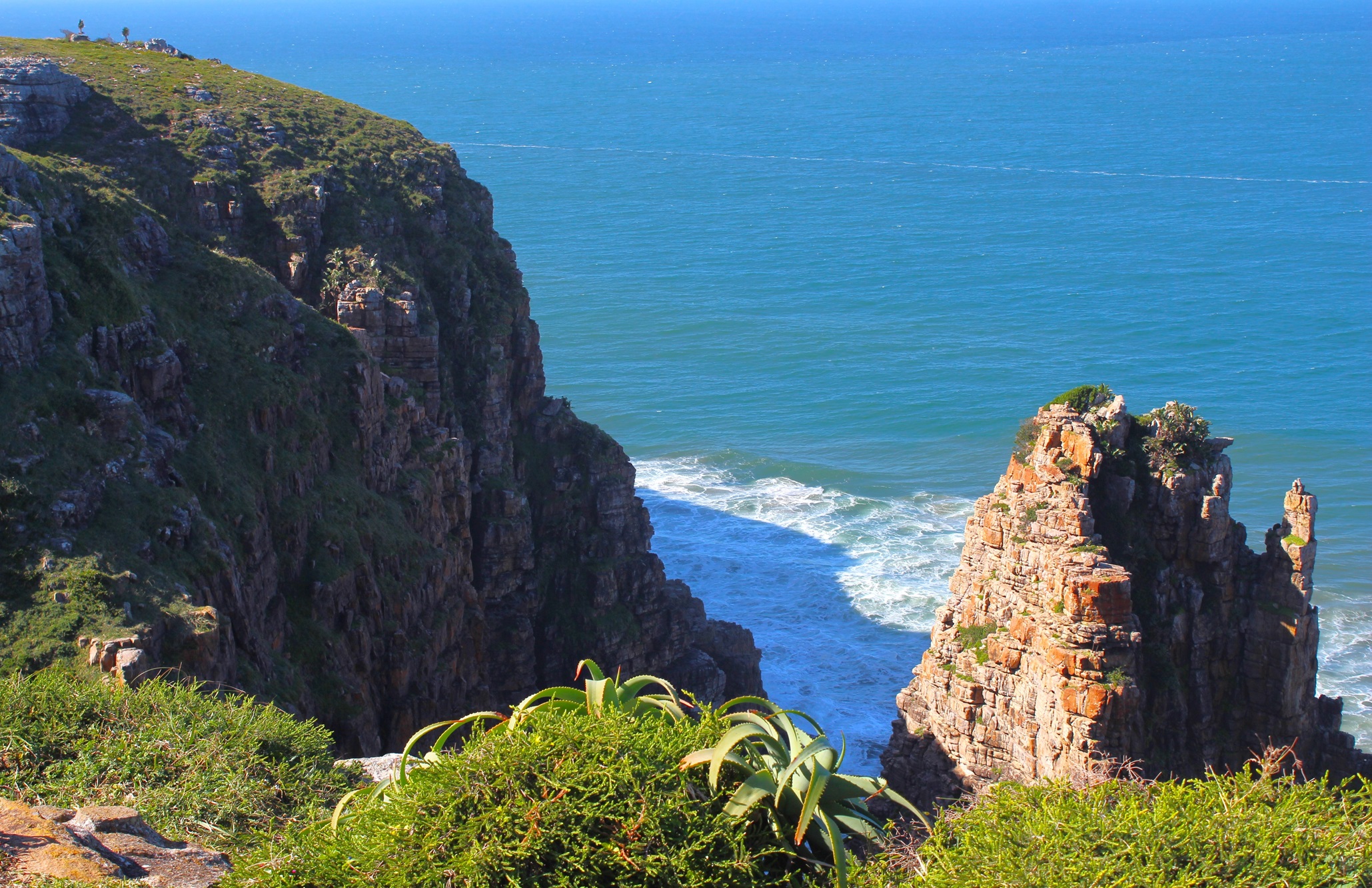
“Around every inch, and every corner, there’s a ‘wow’,” said our guide Sikhanyiso “Computer” Mdiya, as our hiking group gazed at a waterfall plunging over a precipice and dropping 80 metres into the sea.
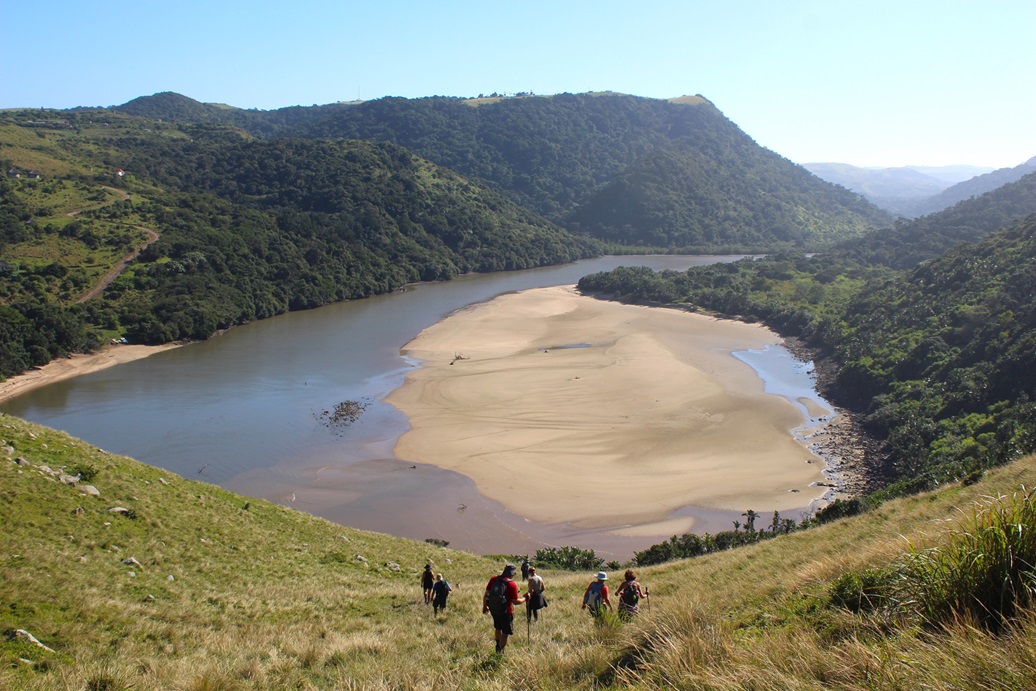
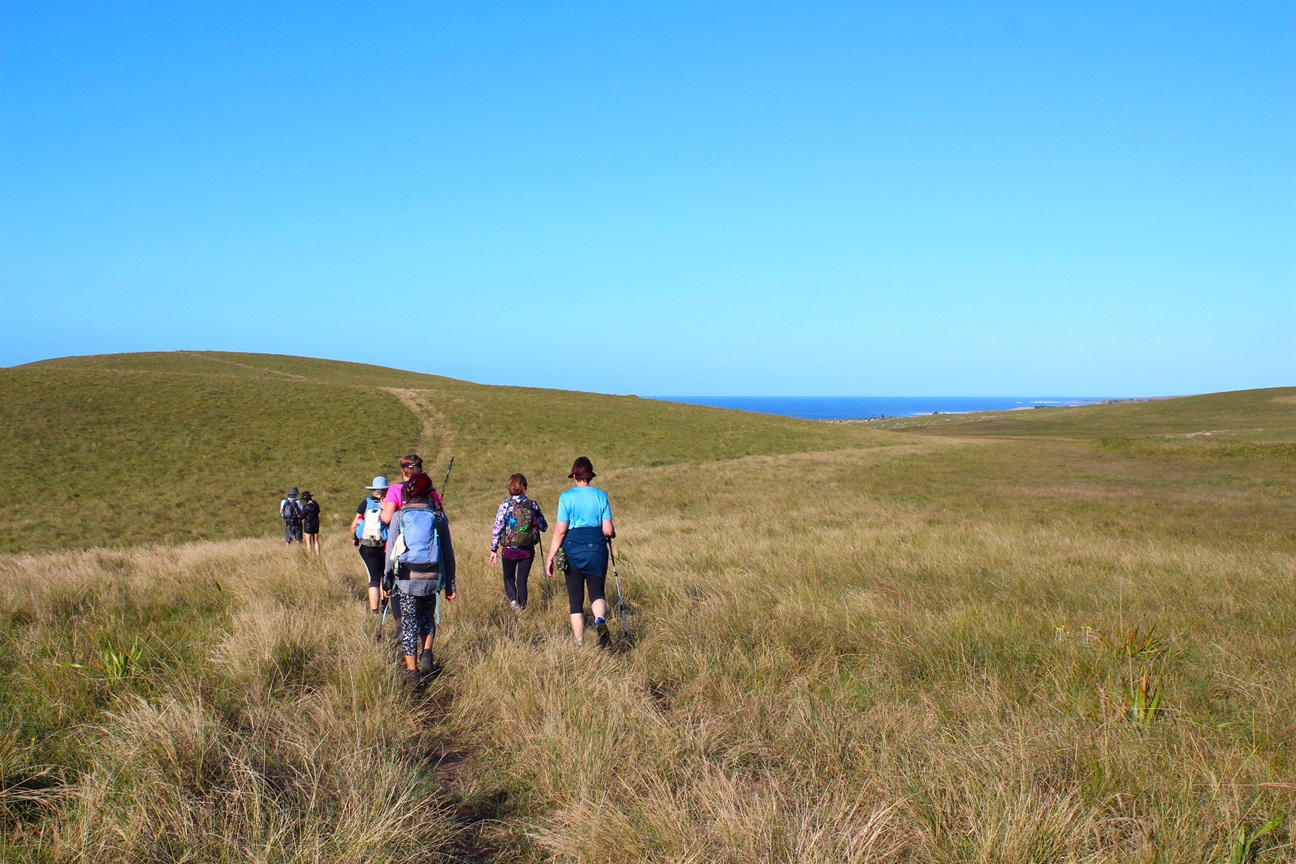
A dozen of us were on the second day of the Pondo-Hopper hiking trail, a fully catered and vehicle-supported five day hike from Msikaba to Port St Johns. This area of the Eastern Cape is remote and rugged and we were about to traverse beaches, grasslands, forest ravines and rocky headlands.
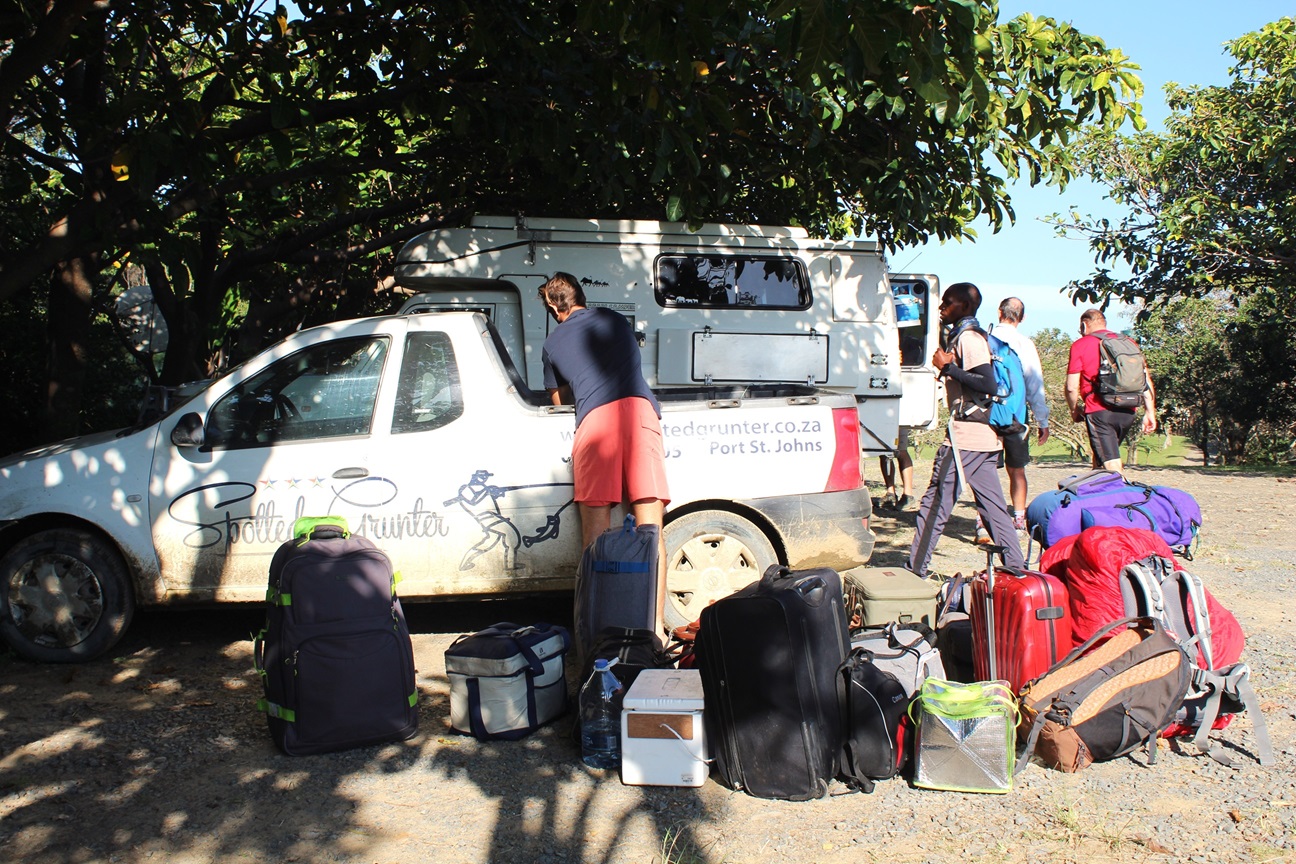
Those of us travelling from Cape Town had already experienced our fair share of adventures before we pulled on our hiking boots. The flight to East London was delayed by several hours, so the drivers of our Toyota Hiace were on high alert as dusk fell. Potholes, pedestrians and pottering cattle were all negotiated as we made our way to Port St Johns.
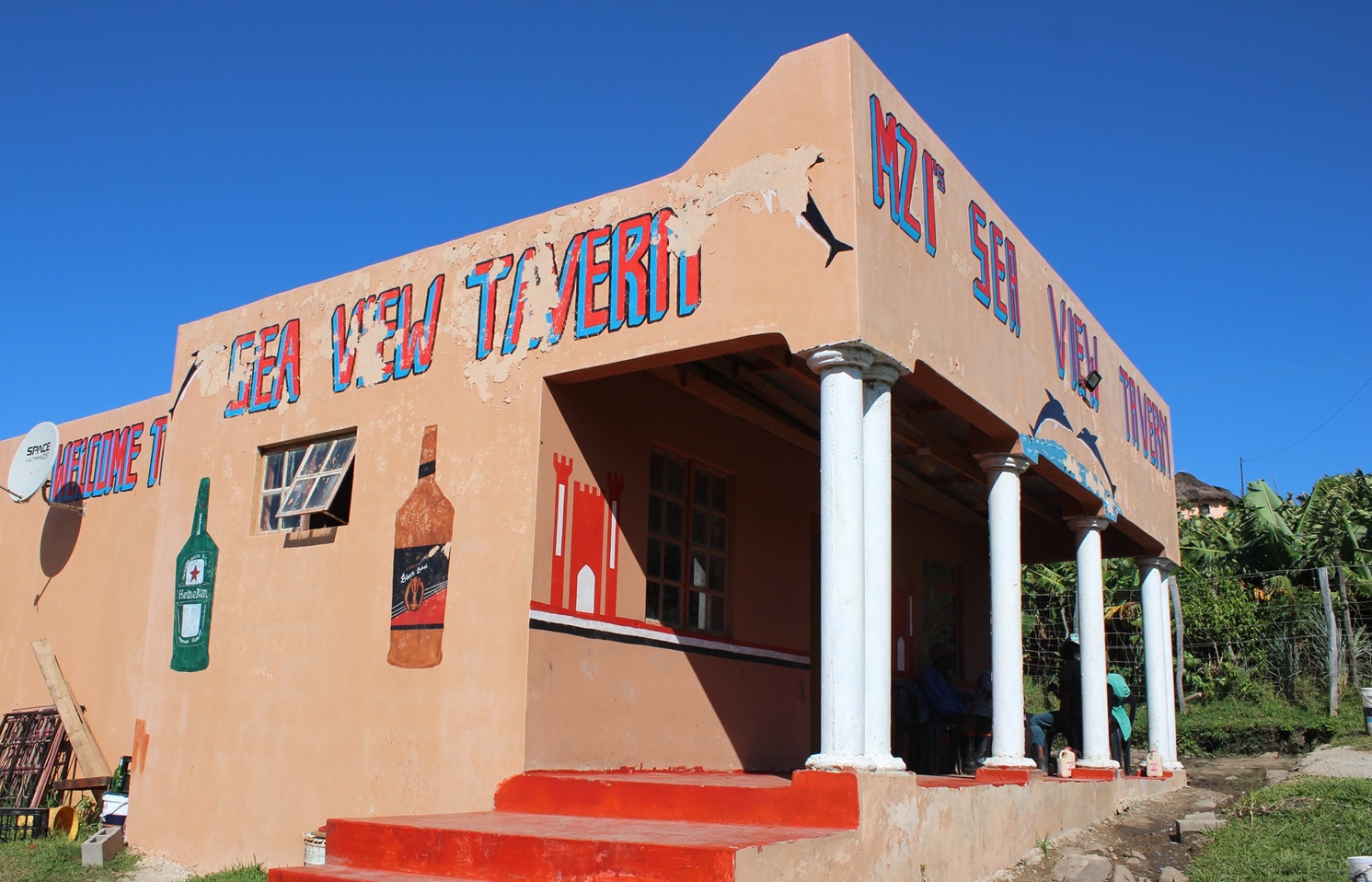
It was a contrast of old and new that Saturday night as we passed through Butterworth and Mthatha, where businesses were gearing up for lucrative month-end spending. Taverns and cellphone outlets, lit up by strings of overhanging lightbulbs, glittered next to stalwart sandstone Anglican churches.
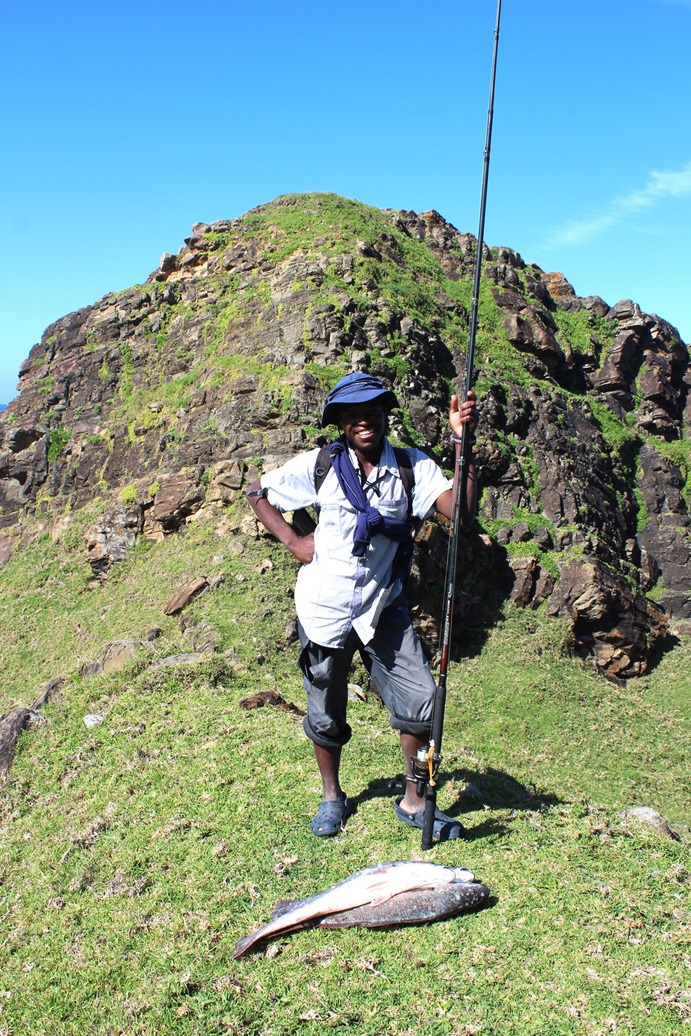
We finally arrived at the Spotted Grunter, a fisherman’s hangout fronting the Umzimvubu River. The dining room was closed, so supper was a round of red wine and a large bag of chips from the Undercliff Convenient Store at the petrol station.
The next morning we departed for Msikaba, the starting point of the hike, passing villagers strolling home from church in their Sunday best. The first sighting of our camp promised more comfort than I had anticipated – twin-bedded, canvas-walled tents on platforms, with ensuite hot shower and toilet, located unobtrusively in lovely coastal dune forest.
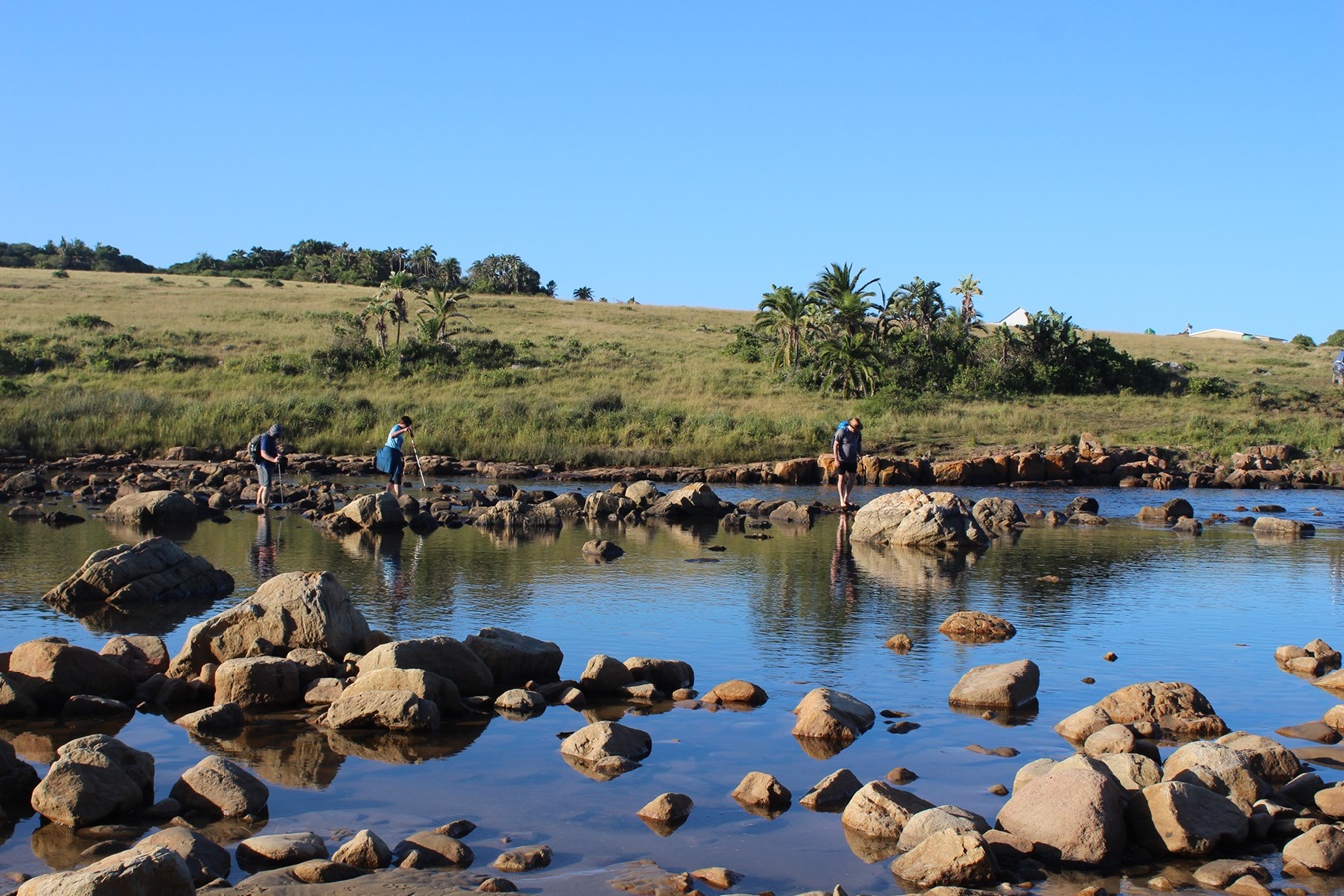
This normally calm estuary had, however, become a torrent, swollen by heavy rains in KwaZulu-Natal the previous week. Upended trees were strewn on the beach and we picked our way cautiously along the bank as water swirled below.
The following day we hiked from Msikaba to Luphuthana, part of an area known for shipwrecks dating back to the mid-sixteenth century. Enormously high freak waves, with a deep trough, are said to cause these disasters.
Computer (he received this nickname from his father) regaled us with tales of adventurers who had tried bizarre ways to locate the treasure said to have gone down with the triple-masted Grosvenor in 1782. They had attempted everything from blasting rocks with dynamite, to hypnosis and tunnelling under the sea, to no avail.
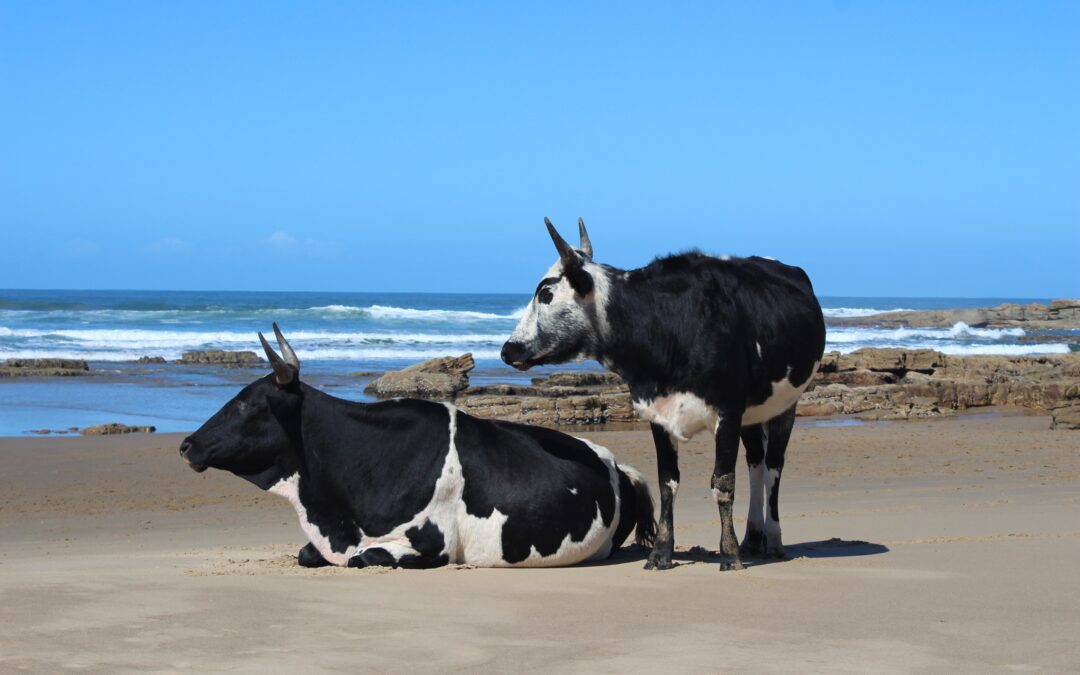
At Grosvenor Beach we encountered our first group of cattle relaxing picturesquely on the sand. Together with goats and donkeys, they sleep in the forests at night and walk down daily to the beach, apparently to get rid of ticks.
A short walk further, I was fascinated to view the beach home, cattle kraal and gravestone of the last wife (there were reputed to be 23 wives in all) of the legendary Khotso Sethuntsa. Known throughout South Africa as the millionaire medicine man from nearby Lusikisiki, he was reputed to have extraordinary powers, endowed by a mamlambo (half-woman, half-snake) who lived in a nearby pool. This muti king, who owned a Cadillac and numerous properties, listed prominent politicians and business people among his clients.
Our walks took us through lush subtropical bush, and pools that tumbled into one another, their water coloured amber by palmiet reeds. We heaved a collective sigh of relief after our first ‘river’ crossing, only to find that this was normally a small stream, now swollen by the floods. The real river was yet to come and at times on our trip we forded expanses of water by canoe.
We also headed inland when some coastal areas were now too tricky to navigate. This added several kilometres to our daily walks, but was tougher for the support staff who drove along corrugated roads and lugged our bags over river crossings.
Delicious meals, beautiful sunsets, good company and cold beers made for relaxed evenings.
Luphuthana rest camp in particular provided a stunning natural phenomenon that is the perfect sundowner spot. Waves break against a lengthy sandstone shelf, sending a continuous spray of seawater high into the air, sprinkled with fleeting rainbows.
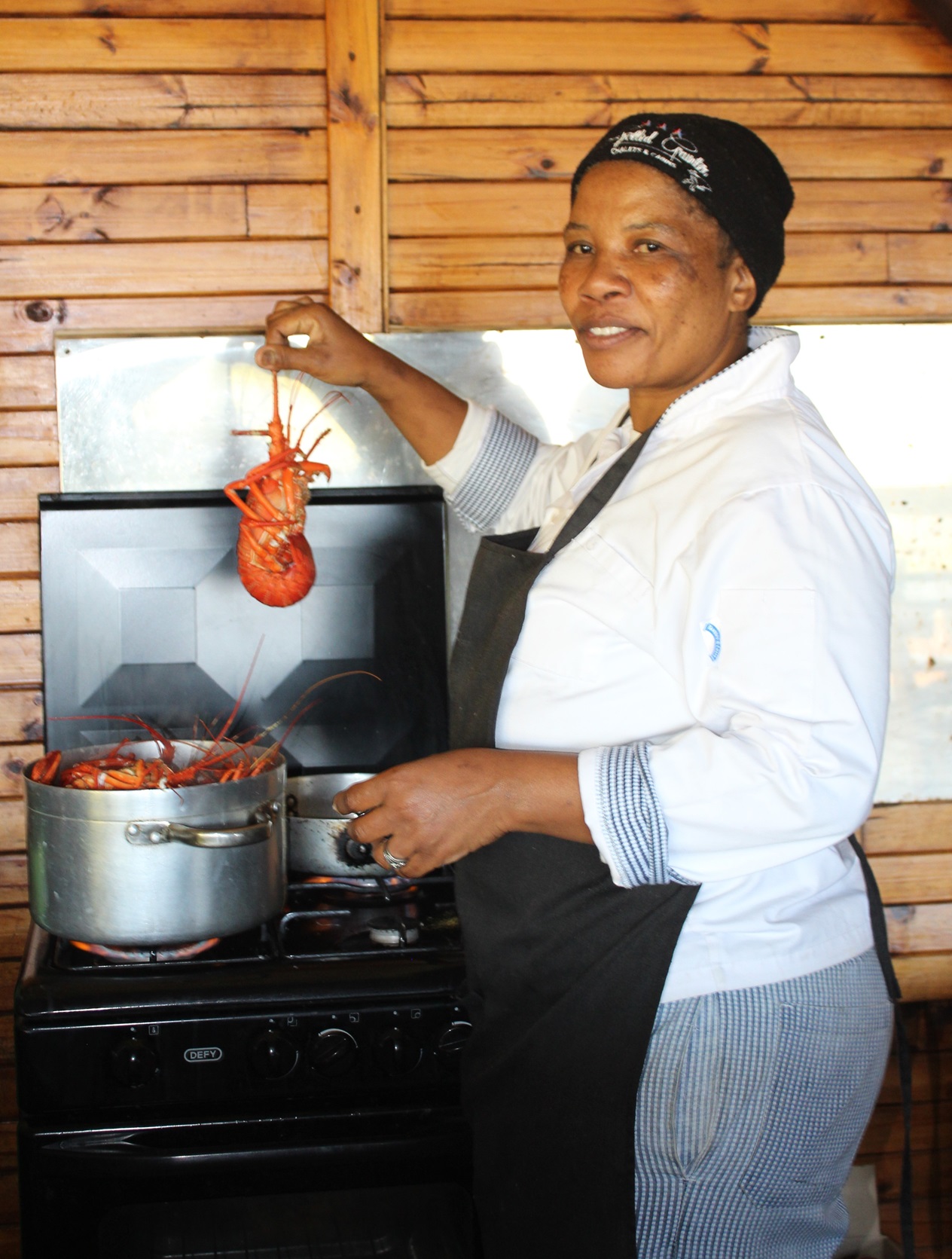
Our final dinner at Ntafufu was especially memorable as Alicia Busuku created a feast of soup, locally sourced crayfish, and cheesecake.
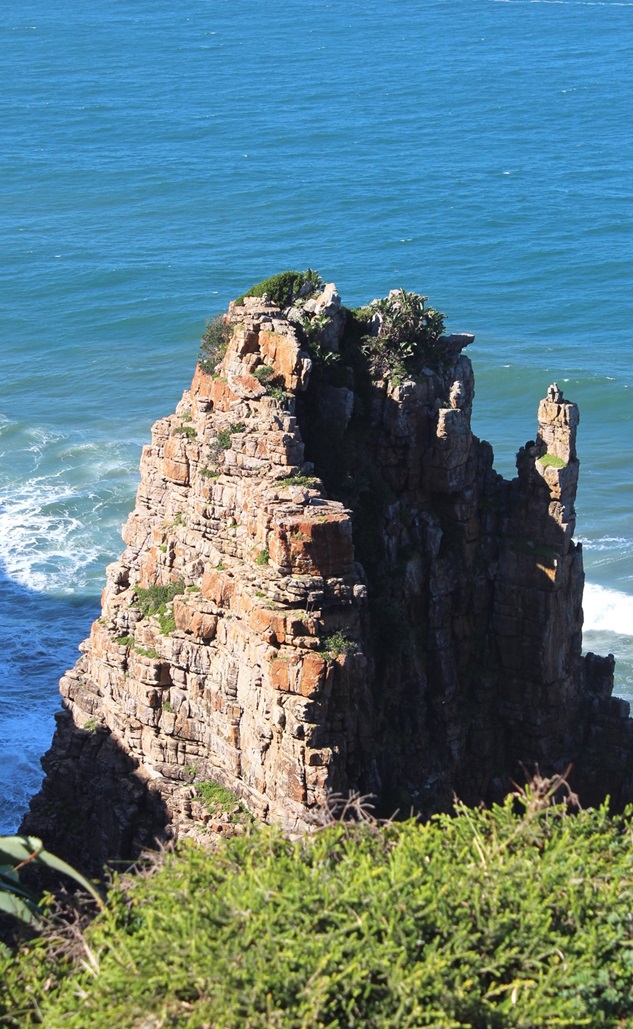
Highlights from Luphuthana to Mbotyi included Cathedral Rock, a vast 45 metre column rearing up from the ocean. This reminded me of those Tomorrow Never Dies Bond movie scenes shot in Thailand.
We arrived at Mbotyi pumped by adrenaline, after one of the party spotted a snake said to be a black mamba. We chatted to women gathering reeds to make baskets, and tying up bundles of storm-swept logs for firewood. That night we slept in the comfort of the Mbotyi river lodge, overlooking the lagoon, beach and sea.
The next morning we walked through Mbotyi and village life seemed serene and appealing. Children’s voices could be heard from the school, an elderly man snoozed in the sun while waiting at the clinic, pigs rooted in vegetable gardens. A curve-tailed Africanis dog joined us as we headed up into the hills, then took great delight in barking and clearing our path through the herd of animals on the beach.
Computer pointed out a red milkwood, which he estimated to be at least 120 years old, based on his late grandfather’s recollections.
That evening I took advantage of our early arrival and a sea breeze to hang out washing and trek up a hill in search of a cellphone connection. This proved to be as elusive as the Grosvenor treasure. Finally, balancing on a rock and stretching my phone high above my head, I sent a few WhatsApps – although by that stage it was a delight to be cut off from the city and news.
Throughout the hike, which was marking a milestone birthday, so many recollections filtered into my mind. They were evocative of carefree childhood holidays on this same coast, enjoyed decades ago.
Women spreading out their beadwork for sale, Birds of prey soaring above cliffs speckled with flowers. Packed lunches unwrapped in a forest clearing, in the shade of an ancient tree. Cooling down in a freshwater pool, watched by a cormorant drying its wings in the sunshine. A beautiful bride, wearing a designer T-shirt, with brown shweshwe skirt and beaded sandals, gazing from a hilltop.
I carry those memories, of exquisite landscapes and seascapes, and gentle people, with me still.
References:
Mkambati and the Wild Coast, Div de Villiers and John Costello.
The Extraordinary Khotso, Felicity Wood and Michael Lewis.
Planning your trip
Provisions
The trail is fully catered and supported. Daily luggage transfers are provided so you need only hike with a light daypack. One night of accommodation is at Mbotyi River Lodge, but bring your own sleeping bag for the tented camps. A local guide accompanies you on all trails. Find out more at https://www.active-escapes.co.za/wildcoast/hiking/pondo-hopper-hiking-trail
Terrain
Recommended for experienced hikers with a reasonable fitness level. The five day hiking trail covers at least 70km of coastline from Msikaba to Port St Johns.
Contact
Active Escapes www.active-escapes.co.za | 084 240 7277 | tours@active-escapes.co.za
The hike was paid in full by Judy Bryant.
All photographs © Judy Bryant